


 Shennongjia
 Fengjie
 Fuling & Zhongxian
 Wushan
 Shibao
 Badong
 Yichang

How to Choose the Best Yangtze River Cruise
In this guide: What Shapes the Experience? Choosing the Right Itinerary: Route and Journey Pace Considering Ship Size, S...
For many travelers planning a Yangtze River cruise, the itinerary can initially seem straightforward. A ship sails between Chongqing and Yichang, stopping at several destinations along the way. Yet this simple description barely captures the experience itself.
A Yangtze cruise is not merely transportation between two cities. It is a carefully paced journey through some of China’s most remarkable landscapes, blending scenic cruising, cultural encounters, historical exploration, and moments of quiet reflection. What stays with you after the cruise is rarely a schedule—more often, it’s a feeling: the quality of morning light on the cliffs, the unhurried pace of an afternoon, the stillness of the gorges at dusk. Understanding how a Yangtze River cruise itinerary unfolds helps travelers appreciate why the experience differs so fundamentally from independent travel.
The Yangtze River stretches over 6,300 kilometers across China, but the most celebrated cruising section lies between Chongqing and Yichang. Along this route, travelers pass through the legendary Three Gorges while exploring destinations that reveal the region’s history, culture, and natural beauty.
Unlike traditional sightseeing trips where travelers spend much of their time moving between attractions, a Yangtze cruise transforms the journey itself into part of the destination.
Each day offers a balance between exploration and relaxation. Excursions provide access to cultural landmarks and scenic viewpoints, while time onboard allows travelers to absorb the ever-changing landscapes unfolding beyond their windows and private balconies.
There is no packing and unpacking. No rush to catch a bus. The river simply carries you from one moment to the next. The result is a style of travel that feels unhurried yet richly rewarding.
Yangtze River cruise itineraries typically run either three nights or four nights, depending on the direction of travel:
Choosing between them is not just a logistical decision—it is a choice between two different rhythms. The downstream route follows the current, carrying you forward with a gentle momentum. Days feel slightly more progressive, one leading naturally into the next. The upstream route moves against the current, slower and more reflective, as if the river itself invites you to linger. Neither is better. They simply feel different.
Both cover the same scenic highlights—the Three Gorges, the Three Gorges Dam, and key cultural sites—but the extra night on the upstream journey allows for a more relaxed rhythm.
For first-time visitors, either duration provides ample opportunity to experience the river’s defining landscapes. For those who want both rhythms in a single journey, longer round-trip itineraries offer two completely different experiences without a single repeat.
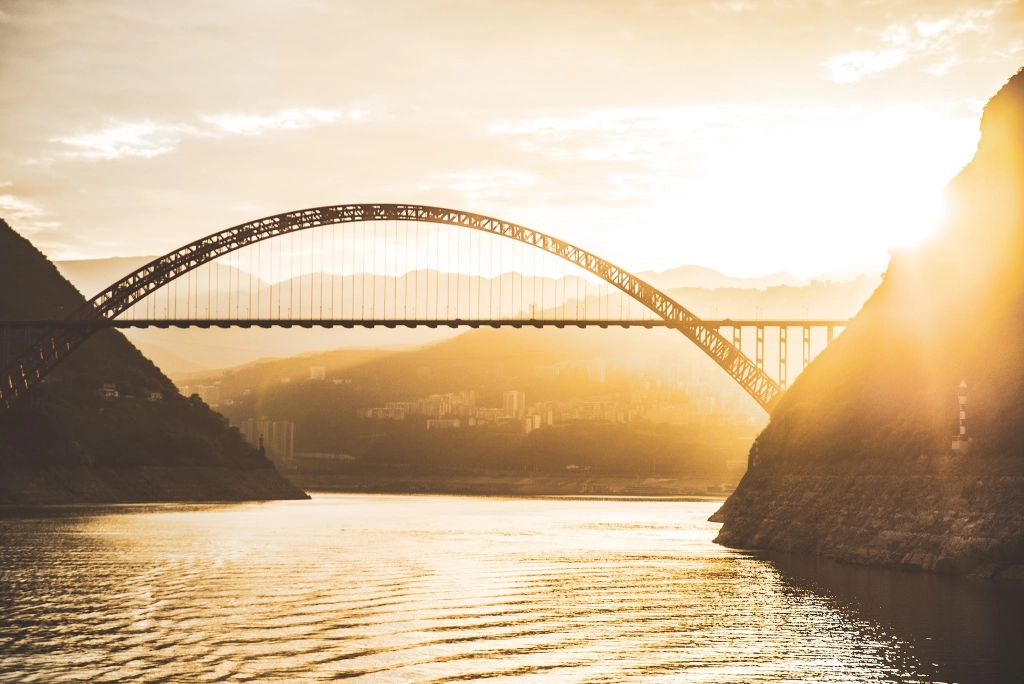
Because different cruise companies offer very different experiences, there is no single “typical” itinerary. The following uses Yangzi Explorer as an example—not as a template, but as an illustration of how a well-crafted journey can feel.
Downstream (Chongqing to Yichang, 3 nights) carries a quiet momentum. The journey begins not with a morning rush, but with an evening departure from Chongqing’s Chaotianmen Pier. A sail-away party unfolds on the top deck—live music, the night breeze, and behind it all, the layered lights of 3D Chongqing glittering up the hillsides. You are not simply leaving a city. You are being welcomed onto the river.
Day 2 brings a choice of morning excursions in Fuling. One option descends into the 816 Underground Project, a massive Cold War-era cavern carved into a mountain—chill, vast, unexpectedly moving. The other visits the White Crane Ridge Underwater Museum, where ancient hydrological inscriptions are preserved beneath the river’s surface, followed by a local market where real life unfolds, unscripted and authentic. Neither feels like a checklist. Both feel like discovery.
The afternoon belongs to the ship: a lecture, time on deck, the simple pleasure of watching the banks drift by. At night, when the ship reaches Zhongxian, you choose again—an open-air Three Kingdoms Show against the dark sky, or a slow walk through the old town, ending with tea under a centuries-old banyan tree. There is no wrong answer.
Day 3 is the gorge day—and on the Yangtze, that is sacred. The ship passes through Qutang, Wu, and Xiling Gorges in sequence. Midday brings an excursion into Wushan: either the Goddess Skyroad, a walkway perched high above the river, or a leisure ferry ride into the Daning River, often called the Lesser Three Gorges. This tributary is where the landscape becomes intimate—narrower, greener, quieter.
Then comes the pinnacle. That night, the ship transits the Three Gorges Dam Ship Lift—a 45-minute vertical descent that feels less like engineering and more like magic. You stand on deck as the world outside slowly lowers. No rush. No explanation needed.
Day 4 morning, you disembark for an in-depth visit to the Three Gorges Dam itself, followed by a sumptuous lunch at one of Yichang’s best local restaurants. The journey ends not with a bus transfer, but with a meal that tastes like farewell and accomplishment at once.
Upstream (Yichang to Chongqing, 4 nights) moves at a different pulse—slower, more reflective, as if the river wants you to stay longer.
It begins before boarding: a pre-cruise tour to either the Three Gorges Dam Project, or Quyuan Temple paired with the Hubei Resettlement Museum. This is not a hurried add-on. It is a deliberate prologue, grounding you in the scale of what you are about to experience.
Day 2 morning starts with the ship lift transit—now seen from the opposite direction—then glides through Xiling Gorge before lunch. Afternoon brings Badong, with a choice between Mistvale Haven or the Wu Gorge Lookout (a view that has stopped travelers for centuries). That night, a local show is performed on board—not a grand theater, but something closer, more human.
Day 3 is where upstream reveals its gift. You pass through Wu Gorge and Qutang Gorge in the morning—yes, but because you are going against the current, the gorges unfold more slowly. You have the rare luxury of experiencing the Three Gorges across two days: not rushed, not compressed. In the afternoon, the ship docks at Fengjie. Your excursion: White King Town, perched above the river, or the Summit of the Three Gorges, a vantage point that makes you feel like a bird.
Day 4, at Shibao County, three options await—each a different flavor of Chinese antiquity. Shibaozhai Pagoda, a red wooden tower clinging to a cliff. Xituo Ancient Town, a real riverside settlement that has thrived for over a thousand years, still lived-in, still breathing. Or Huanghua Island, an archaeological excavation in the middle of the Yangtze, where layers of history are literally being uncovered. You choose based on mood, not obligation.
Day 5 morning, the ship arrives into Chongqing. You have traveled upstream, against the current, and somehow feel more rested than when you began.
One of the most appealing aspects of a Yangtze cruise is the rhythm that develops throughout the journey—a rhythm that never feels rushed.
A typical day might begin with sunrise illuminating the cliffs of a gorge while the ship glides quietly through narrow passages of water. Guests enjoy breakfast at a relaxed hour, with panoramic views unfolding outside expansive windows.
Not every morning requires an early start. Some begin with coffee on a private balcony, a morning stroll on deck, or simply the luxury of waking up naturally as the river drifts by.
There is a particular quality to late morning on the Yangtze. The light softens. The ship is quiet. You are neither arriving nor departing—you are simply there.
Later in the morning or early afternoon, travelers disembark for their excursion. After returning, the ship resumes its course. No packing. No coach transfers. No hotel checkout to remember. Some guests relax on deck, others attend cultural presentations, enjoy afternoon tea, or simply watch the landscape pass by from the comfort of their suite.
Late afternoon brings its own shift. The cliffs turn gold. The gorge narrows or widens. Travelers drift naturally toward their balconies—not because anything is scheduled, but because the river has become a kind of meditation.
Evenings bring their own rhythm. Whether you prefer quiet conversation over a nightcap or a performance under the stars, the ship offers a choice—never an obligation.
The evening does not demand anything of you. That, perhaps, is the deepest luxury of all.
This combination of movement and stillness—excursions followed by unhurried hours on the river—creates a travel experience that feels both immersive and genuinely restorative.
On Yangzi Explorer, that rhythm is built into the itinerary, whether you choose downstream or upstream.
Although specific itineraries vary, several destinations appear on many luxury Yangtze cruises.
Perched above the river, White Emperor City has inspired Chinese poets and scholars for centuries. The site offers both historical significance and spectacular views over Qutang Gorge.
Standing here, looking out over the same river that poets described a thousand years ago, you understand why the Yangtze has always been more than just a waterway.
The Three Gorges—Qutang, Wu, and Xiling—form the scenic heart of the cruise experience.
Each gorge possesses its own character. Qutang Gorge impresses with dramatic cliffs and narrow passages. Wu Gorge captivates with mist-covered peaks and legendary stories. Xiling Gorge combines natural beauty with engineering achievements associated with the Three Gorges Dam.
No photograph fully prepares you for the moment when the ship enters a gorge and the world narrows to water, stone, and sky.
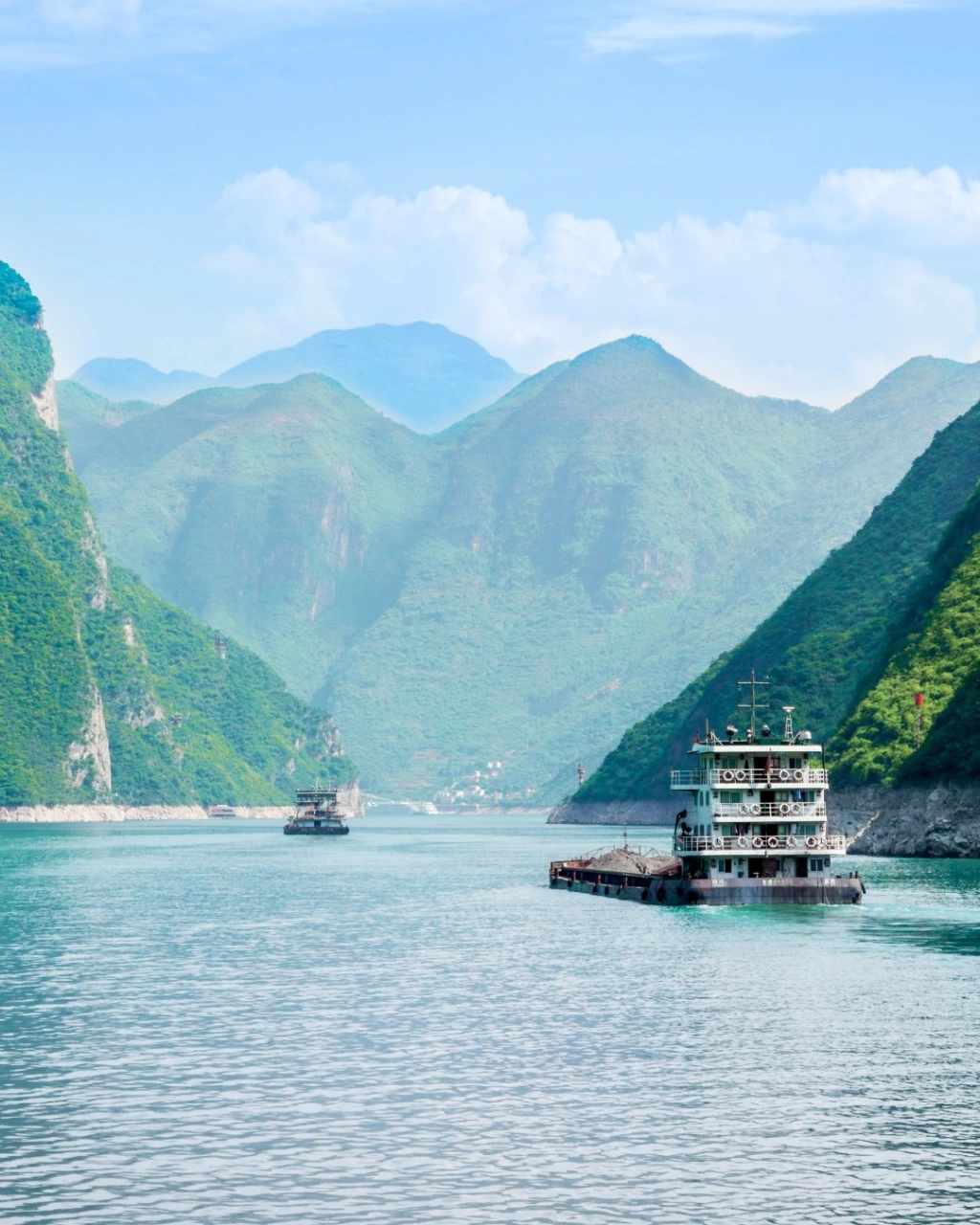
Excursions in the Wushan area often reveal perspectives unavailable from the main river channel. Smaller tributaries, elevated viewpoints, and cultural experiences provide deeper insight into life within the gorges.
Many travelers discover that these excursions become some of the most memorable moments of the entire journey—not because they are famous, but because they feel undiscovered.
While shore excursions attract much attention, many experienced travelers consider the cruising segments equally important.
The Yangtze rewards observation. Morning light reveals shifting colors across the cliffs. Passing villages offer glimpses of daily life. Seasonal changes transform the scenery throughout the year.
Unlike land-based touring, where transportation often feels like a necessity, scenic cruising becomes an experience in itself. You are not traveling to the view. You are living inside it.
Not all Yangtze itineraries are experienced in the same way.
Luxury ships often provide greater flexibility, smaller excursion groups, and more opportunities for meaningful engagement with destinations. What distinguishes premium itineraries is choice. Rather than a single group excursion at each stop—where 600 or more passengers from larger ships all descend on the same attraction at once—the best cruises offer two or three carefully curated options, from light hiking to cultural deep dives.
The difference is not just comfort. It is the difference between being herded and being invited.
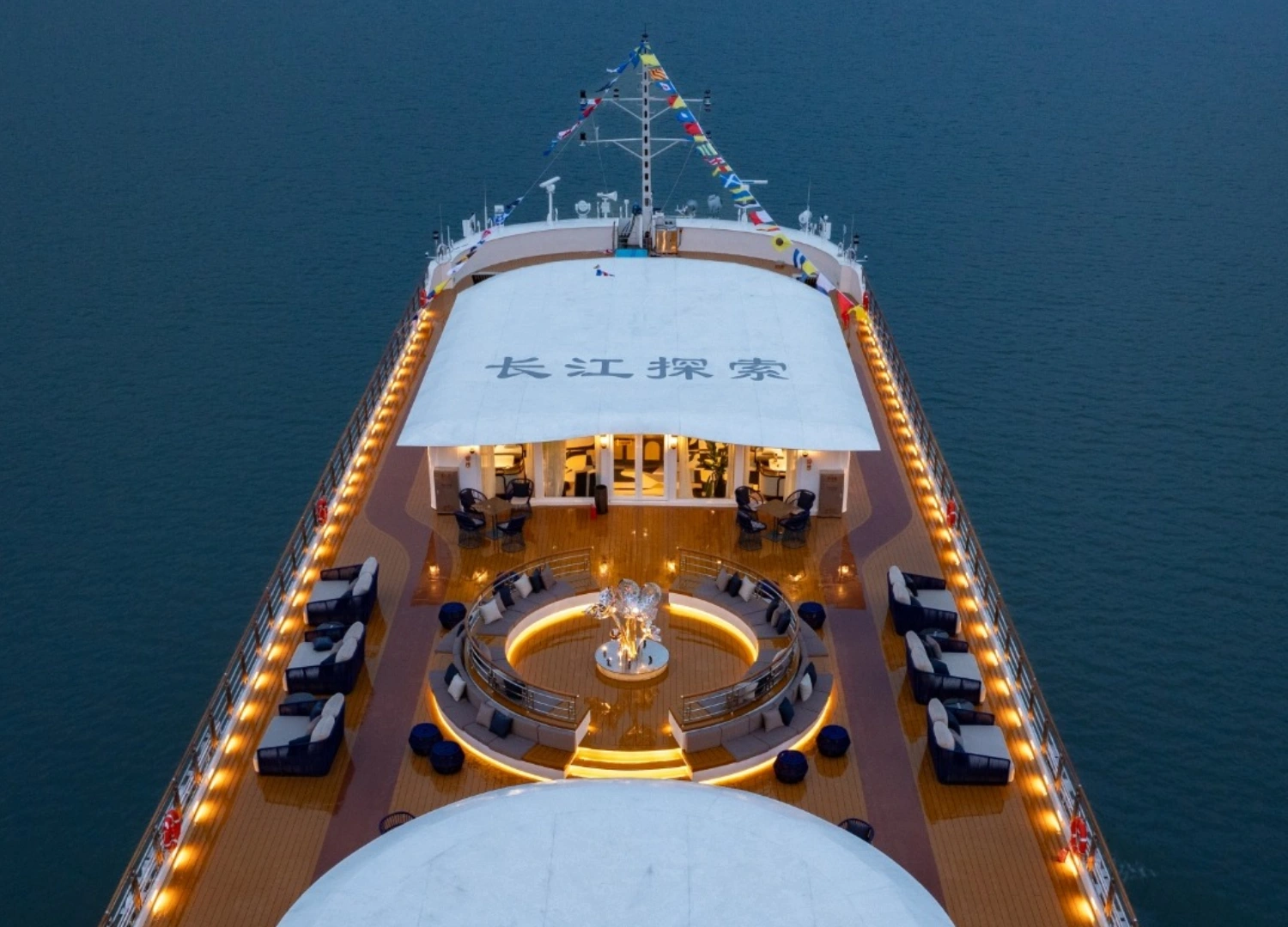
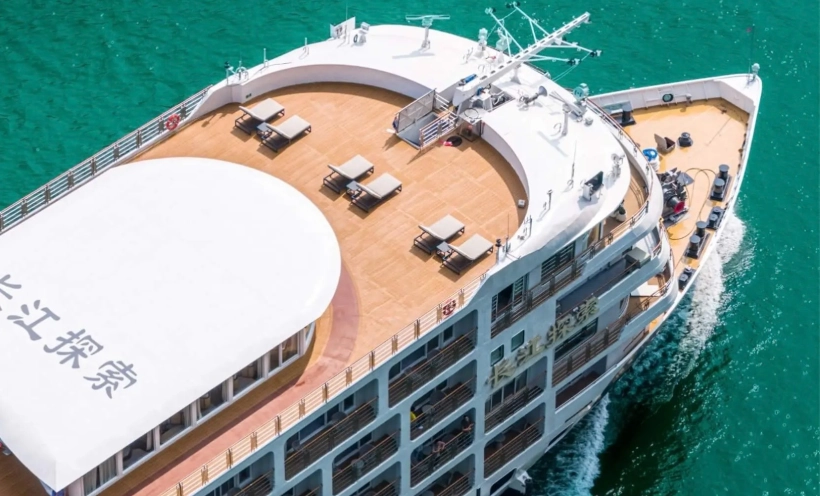
A vessel such as Yangzi Explorer further enhances this experience through its intimate scale. With only 148 guests, the atmosphere feels less like a cruise and more like a private riverside lodge that happens to move. Excursions remain personal, and public spaces retain a sense of tranquility even during peak travel periods.
Rather than simply moving passengers from one attraction to another, the journey unfolds at a pace that encourages genuine appreciation of the river.
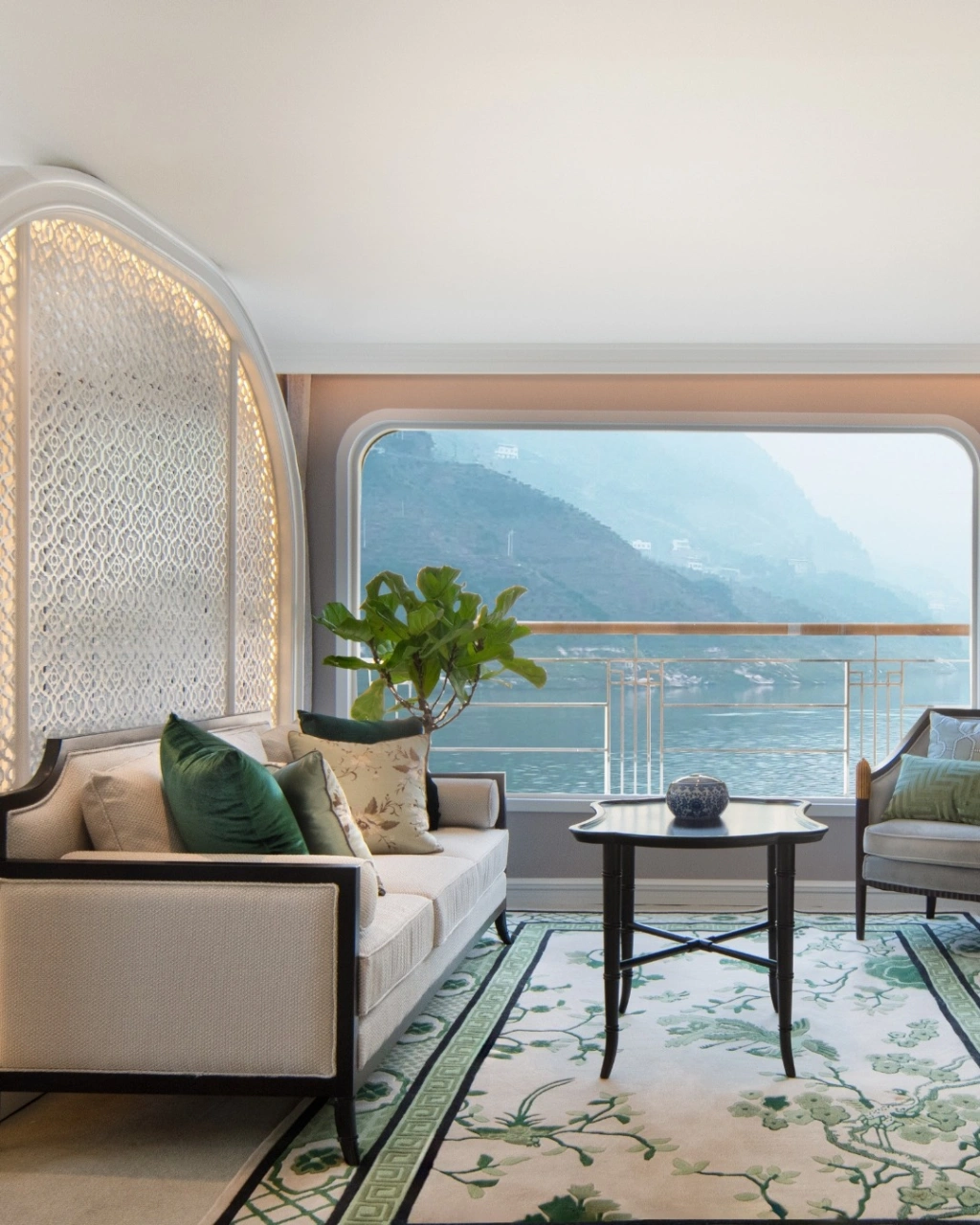
When evaluating Yangtze River cruise itineraries, travelers should look beyond the number of nights or destinations visited.
The right itinerary is not the one that checks the most boxes. It is the one that leaves you with scenes you cannot forget.
Questions worth considering include:
The answers often shape the experience more profoundly than the route itself.
Some travelers want momentum. Others want stillness. Neither is wrong. The question is simply: which one sounds like your kind of journey?
And if you are trying to decide between downstream and upstream? Downstream feels like a gentle adventure—each day brings something new, and the journey gathers momentum toward the ship lift finale. Upstream feels like a slow immersion—you linger in each scene, and the gorges accompany you across two days. Neither is better. They simply feel different. Some travelers even choose the 8-day round-trip to experience both rhythms in a single journey.
A Yangtze River cruise itinerary is best understood not as a checklist of destinations, but as a carefully orchestrated journey through one of China’s most remarkable landscapes.
The most memorable cruises balance discovery with relaxation, culture with scenery, and activity with moments of quiet reflection. The best itinerary is not the one that checks the most boxes, but the one that leaves you with scenes you can’t forget: orange blossoms in spring, red foliage in autumn, the stillness of the gorges at sunrise.
Whether watching dawn break over the gorges or exploring centuries-old landmarks along the riverbank, travelers experience a rhythm that is uniquely suited to the Yangtze.
That rhythm—unhurried, immersive, neither rushed nor idle—is what transforms a cruise into a journey. Understanding it is the first step toward choosing the experience that feels right for you.
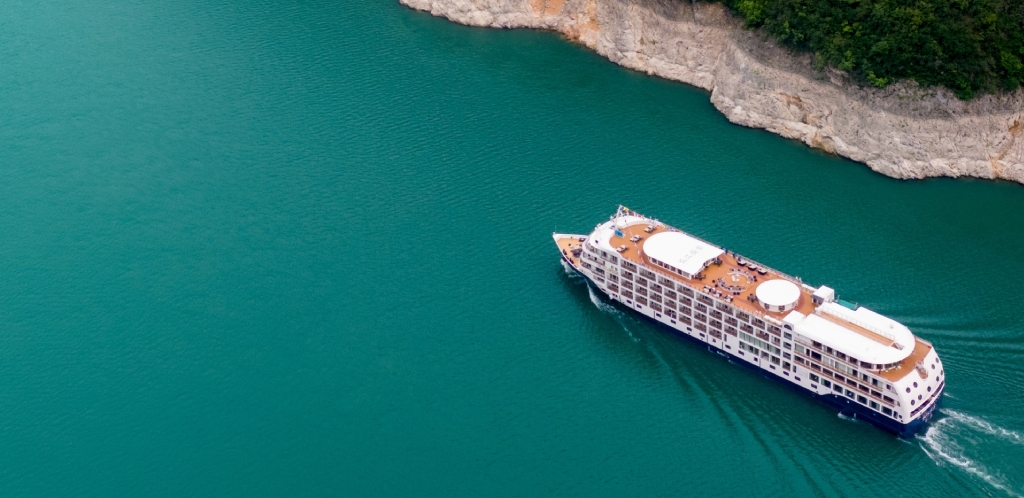
Most Yangtze cruises are either three nights (Chongqing to Yichang, downstream) or four nights (Yichang to Chongqing, upstream). Both cover the Three Gorges and key cultural sites.
The difference is not just days—it is direction and feel. Downstream (3 nights, Chongqing to Yichang) follows the current and moves at a slightly quicker clip. Upstream (4 nights, Yichang to Chongqing) goes against the current, which naturally slows the pace and creates a more reflective, immersive feel.
Downstream carries you forward. Upstream invites you to linger.
But not every cruise line handles upstream and downstream the same way. On most Yangtze operators, the shore excursions are essentially identical in both directions—just in reverse order.
Yangzi Explorer is different. Our upstream and downstream itineraries share almost no overlap. Each direction has its own excursions, its own highlights, its own character. This is why many seasoned cruise travelers choose our 8-day, 7-night round-trip journey: Chongqing to Yichang and back again. Two directions, two completely different experiences, and not a single repeat.
Not necessarily. Some cruise lines, due to scheduling constraints, do not include the Three Gorges Dam at all. Yangzi Explorer not only includes the dam but offers an exclusive VIP experience. Instead of the standard crowded viewing platforms, guests visit the River Closure Park and the Three Gorges Dam Museum—far fewer visitors, a quieter atmosphere, and better perspectives of the dam. All tours are led by the best available guides.
Inclusions vary by cruise line. Many luxury cruises include guided excursions as part of the fare. On Yangzi Explorer, all shore excursions are included, with two or three options at each stop.
In this guide: What Shapes the Experience? Choosing the Right Itinerary: Route and Journey Pace Considering Ship Size, S...
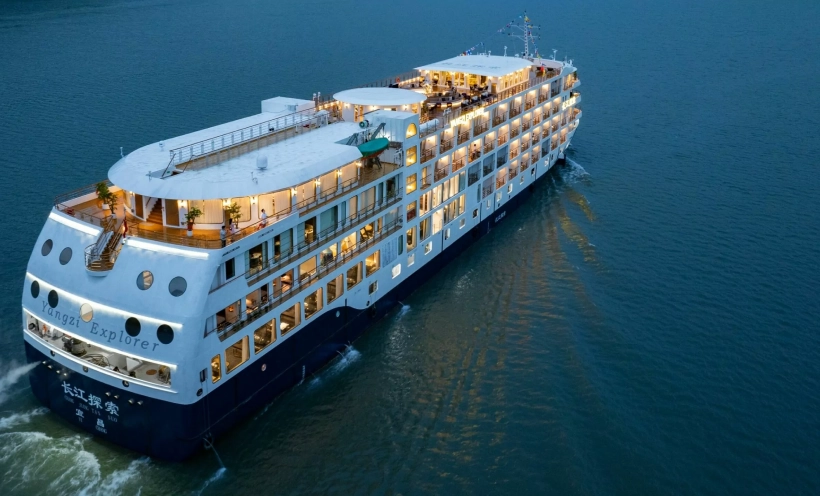
Explore This Journey What Defines a Luxury Yangtze River Cruise Experience Suites, Comfort, and Scenic Living Dining Alo...
On the Yangtze River, direction is never simply a matter of navigation. It quietly shapes how the journey unfolds—how ti...

Timing your Yangtze River cruise can make a significant difference in your experience. While the river is beautiful year...

