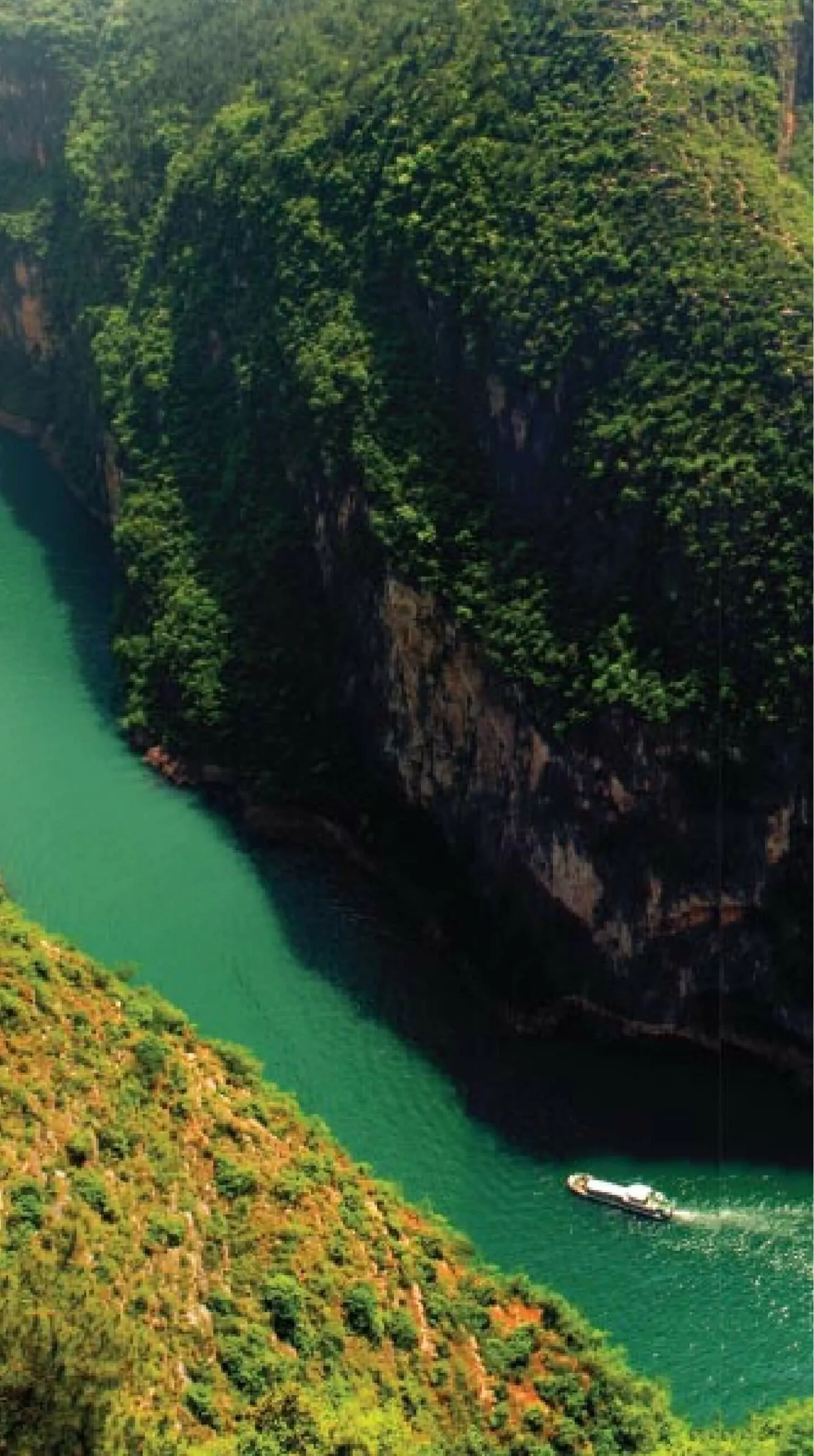
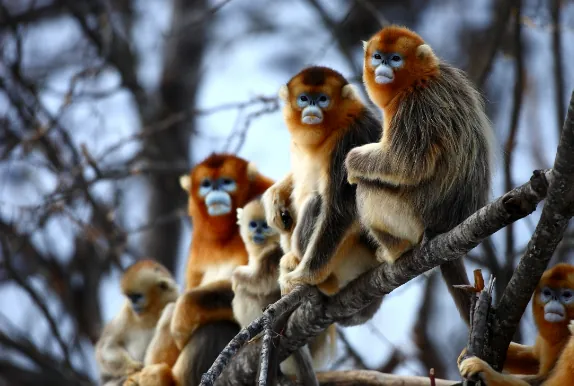
 Shennongjia
 Fengjie
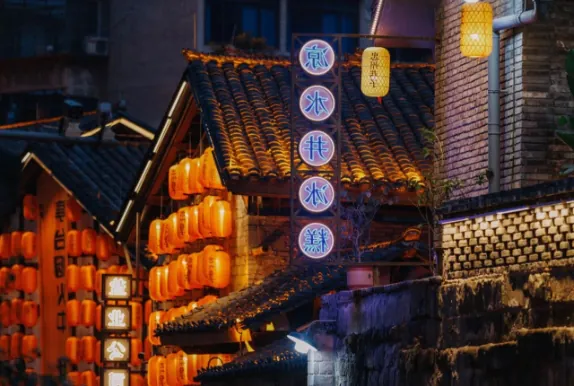 Fuling & Zhongxian
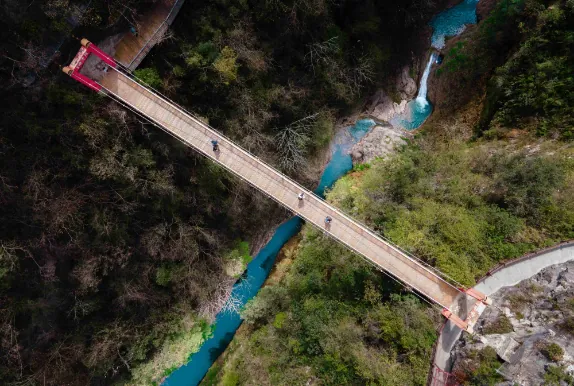 Wushan
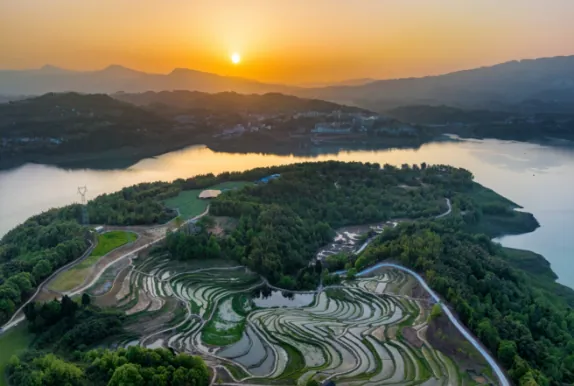 Shibao
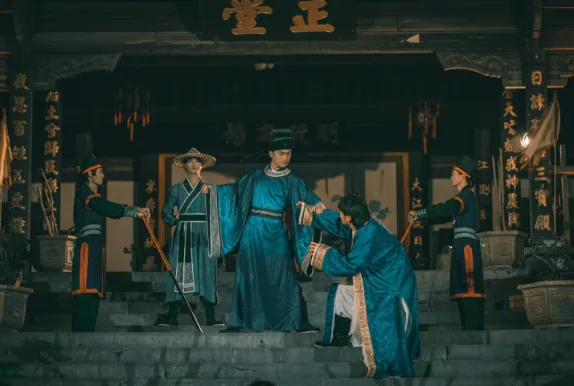 Badong
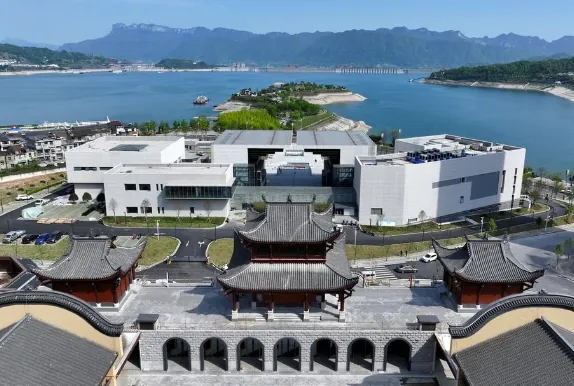 Yichang

How to Choose the Best Yangtze River Cruise
In this guide: What Shapes the Experience? Choosing the Right Itinerary: Route and Journey Pace Considering Ship Size, S...
On the Yangtze River, direction is never simply a matter of navigation. It quietly shapes how the journey unfolds—how time feels on the water, how landscapes reveal themselves, and how each moment connects into a larger rhythm of travel.
Between Chongqing and Yichang, cruises follow the same stretch of river and pass the same iconic gorges. Yet the experience changes depending on direction. Not in what you see, but in how you move through it.
For many travelers, this distinction only becomes meaningful during planning. But once understood, it often becomes one of the most important choices in shaping the journey itself.
At a practical level, Yangtze River cruise direction is defined by both route and duration.
Downstream cruises travel from Chongqing to Yichang, typically lasting 4 days and 3 nights, following the natural flow of the river.
Upstream cruises travel from Yichang to Chongqing, typically lasting 5 days and 4 nights, moving against the current and allowing for a slightly more extended journey.
This difference in duration is not incidental. It reflects how the river is experienced in each direction. Downstream journeys feel more compact and continuous, while upstream journeys naturally allow more time for observation and slower immersion.
Beyond duration, the defining difference lies in rhythm.
Downstream cruising tends to feel more fluid and forward-moving. Upstream cruising feels more measured, with a greater sense of pause between moments.
Neither direction changes the river itself. What changes is how much time you spend within it—and how that time is experienced.
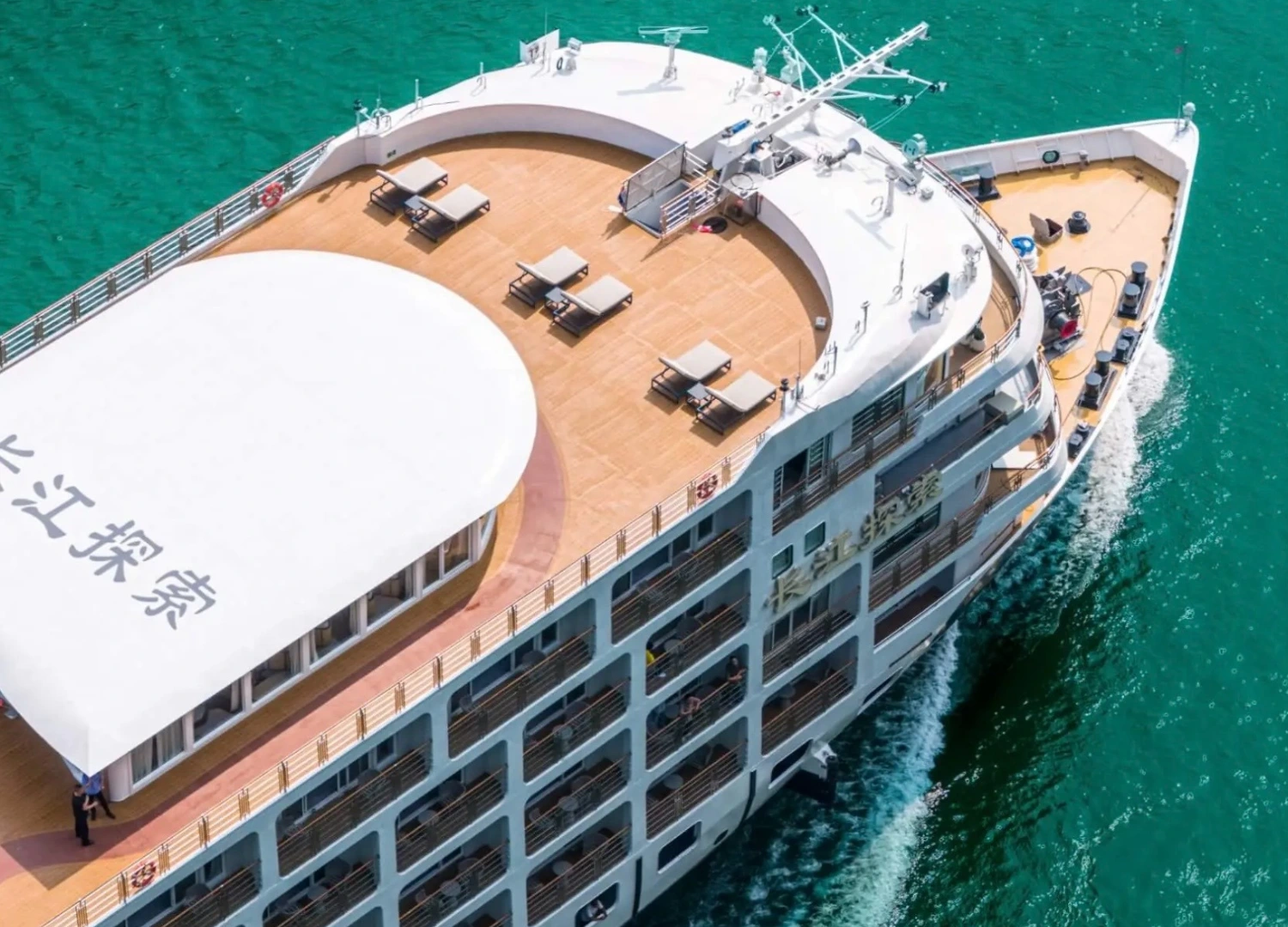
At Yangzi Explorer, these two directions are not treated as mirrored versions of the same itinerary. Instead, each is designed as a distinct interpretation of the Yangtze’s rhythm, shaped around how time, light, and landscape are experienced in motion.
A downstream journey begins in Chongqing, a city where steep hills, layered bridges, and riverfront skylines create a dense and dynamic urban landscape.
Leaving the city often feels like a gradual release. As the ship moves with the current, the river begins to open outward, and the surroundings shift from urban intensity to expanding natural space.
There is a natural continuity to downstream cruising. Each day flows into the next with minimal interruption, creating a sense of steady progression through the Three Gorges region.
Mornings often begin with the ship already in motion, as light spreads across the water and cliffs gradually come into view. The journey feels intuitive—moving forward not only geographically, but emotionally.
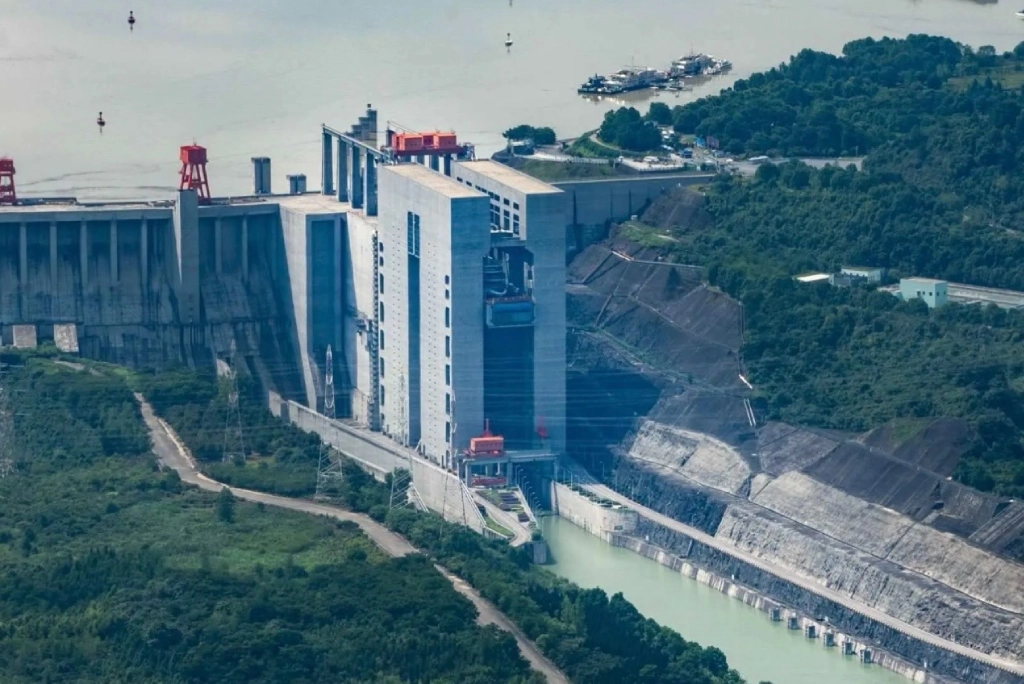
Downstream cruising is often chosen by first-time visitors, offering a clear and structured introduction to the Yangtze. It concludes near the Three Gorges Dam in Yichang, marking a natural endpoint to the journey’s progression.
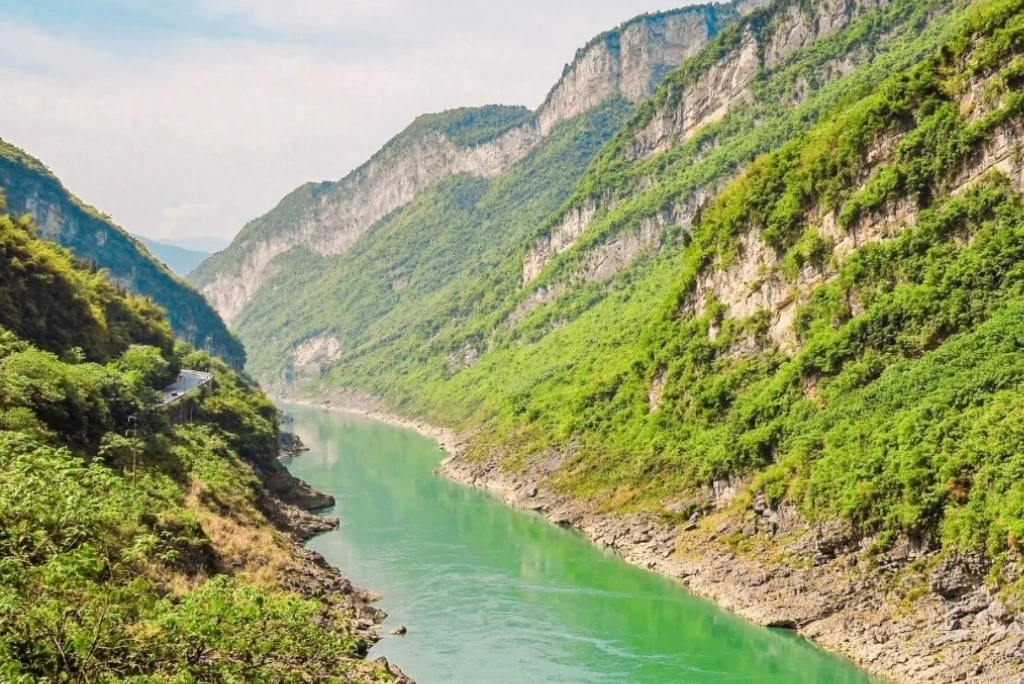
The upstream journey begins near Yichang, close to the Three Gorges Dam region, where the river feels broader and quieter at the outset.
From the beginning, the experience feels less like departure and more like immersion.
Traveling against the current subtly changes perception. The river does not feel slower in motion, but slower in reveal. Landscapes remain in view slightly longer, allowing more time for observation before shifting into the next bend.
Upstream cruising often creates a more reflective rhythm. Time feels less segmented, and the journey encourages attention to detail rather than anticipation of arrival.
Mornings are particularly atmospheric. Mist may linger along cliff edges, and the river surface often appears still, even as the ship continues its steady progression upstream.
By the time Chongqing appears at the end of the journey, it feels less like a starting point revisited and more like a city gradually revealed through days of transition.
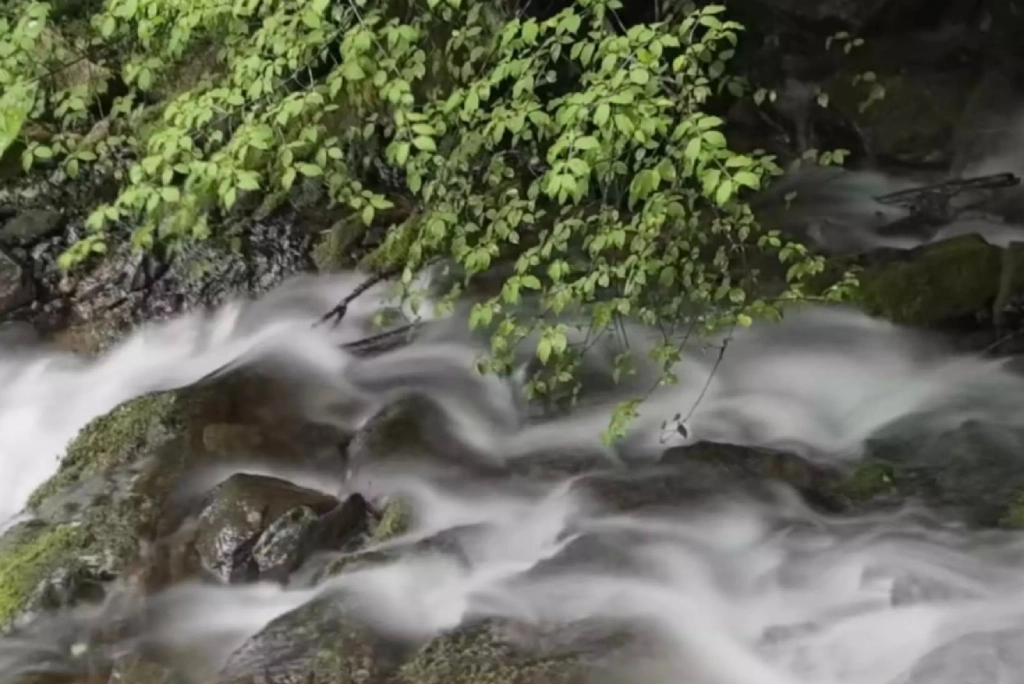
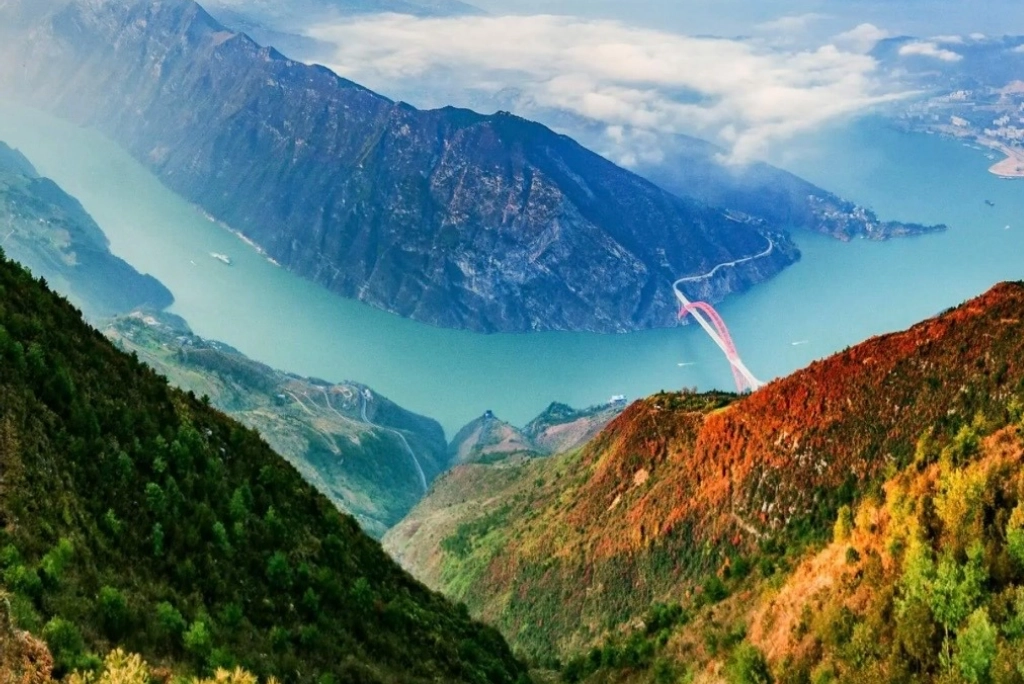
The Yangtze’s most iconic landscapes—Qutang Gorge, Wu Gorge, and Xiling Gorge—are shared by both directions.
What changes is not the destination, but the timing of arrival.
A gorge encountered in morning light feels fundamentally different from the same gorge passed in the afternoon. Shadows shift, colors deepen or soften, and mist behaves differently depending on season and time of day.
Excursions follow the same principle. Most cruise itineraries visit the same cultural and scenic sites in both directions, but the sequence of arrival influences how each place is experienced.
A riverside village visited early in the day may feel quiet and atmospheric, while the same location later may feel more active and open.
On the Yangtze, experience is shaped as much by timing as by geography.
Beyond scenery, cruise direction also influences the subtle rhythm of life onboard.
Downstream voyages tend to feel more continuous. Sailing and excursions flow naturally into each other, creating a steady sense of forward movement through the landscape.
Upstream voyages feel more spacious. There is often a greater sense of pause between moments, allowing time for reflection—on deck, in conversation, or simply watching the river pass.
Neither direction is faster or slower in any meaningful experiential sense. Instead, each creates a different emotional texture that shapes how the journey is remembered.
While most Yangtze cruise operators offer upstream and downstream itineraries that are essentially mirrored versions of one another, Yangzi Explorer takes a fundamentally different approach.
Upstream and downstream journeys are not simple reversals. Each direction features carefully curated and non-identical excursions designed to reflect the character of the route rather than replicate it.
Unlike standard cruises where guests revisit the same locations in reverse order, Yangzi Explorer minimizes overlap between directions, allowing each journey to stand on its own.
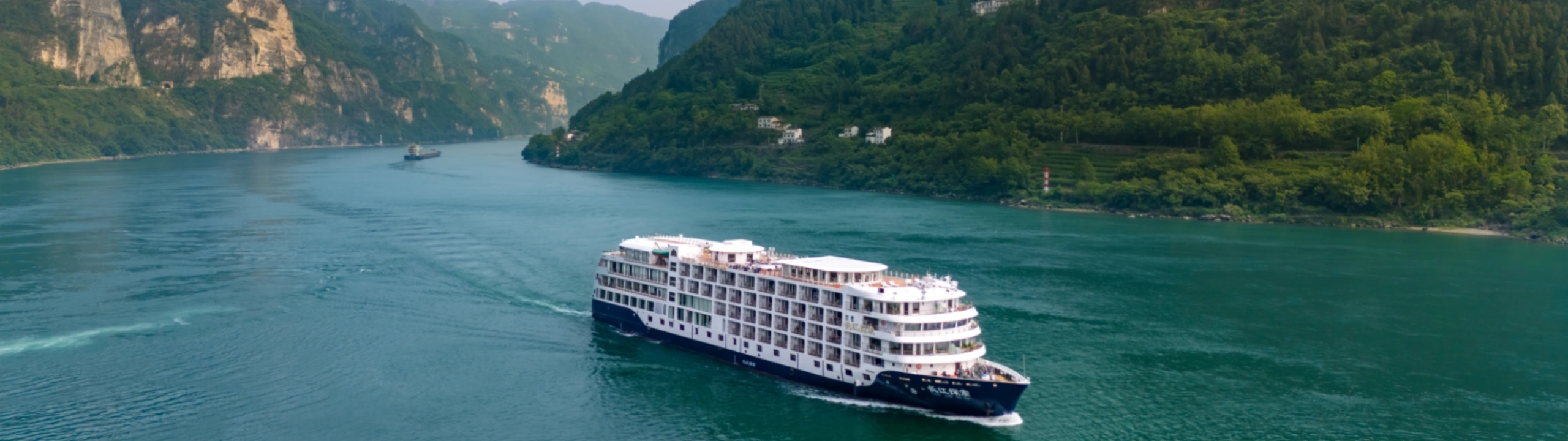
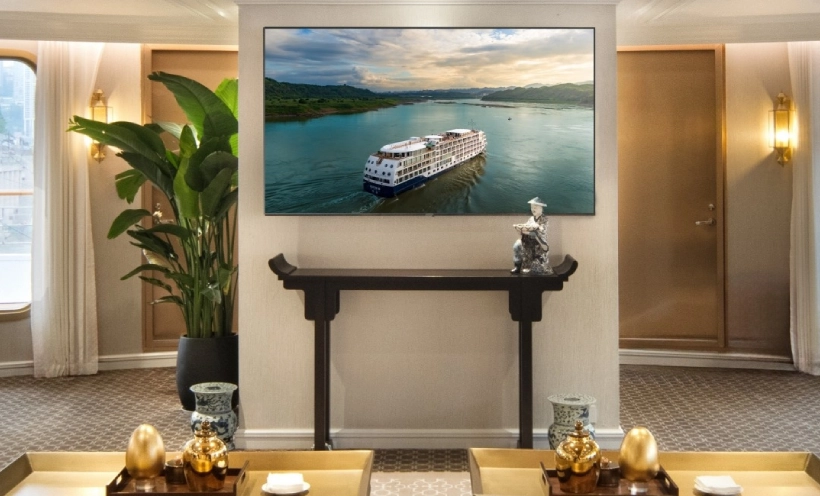
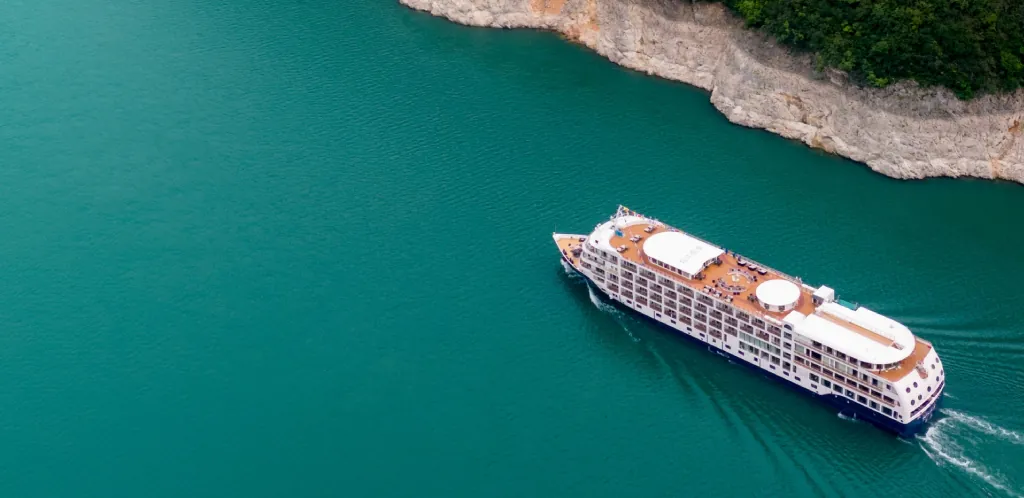
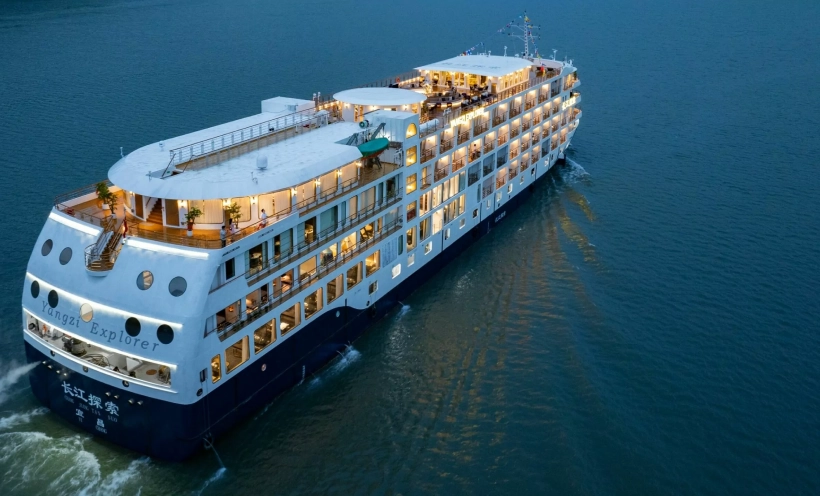
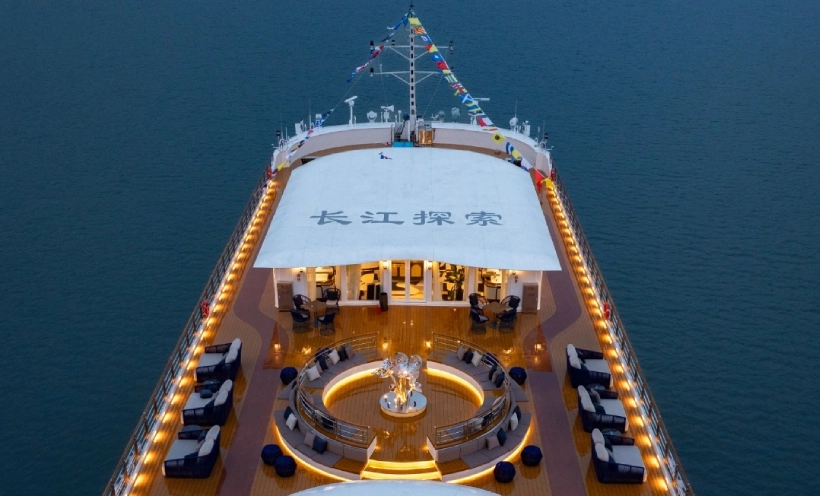
With a maximum capacity of 148 guests, the onboard environment remains quiet, spacious, and highly personal compared to larger vessels operating on the river.
The vessel is specifically engineered to navigate the Three Gorges Dam Ship Lift, allowing guests to remain onboard during this rare engineering passage.
For travelers seeking both perspectives, Yangzi Explorer offers a Chongqing–Yichang round-trip itinerary, combining upstream and downstream into a single continuous journey without repeating excursions.
Together, these elements reposition cruise direction as part of a broader experiential design, rather than a simple logistical choice.
Choosing between upstream and downstream is ultimately about travel rhythm rather than destination.
A downstream cruise may feel more natural for travelers who prefer forward momentum—moving through landscapes in a clear, structured sequence. It is often well suited to first-time visitors.
An upstream cruise may appeal to those who prefer slower immersion, where landscapes are given more time to unfold and observation becomes part of the experience itself.
Neither direction offers a more complete version of the Yangtze. Each offers a different way of experiencing it.
Some travelers choose to experience both directions over time—not for comparison, but to understand how perspective reshapes perception.
Ultimately, the decision is less about logistics and more about how you wish to experience time on the river: through movement and continuity, or through pause and observation.
Neither is objectively better. Downstream offers continuity and flow, while upstream offers a slower, more reflective experience.
Downstream cruises are typically 4 days / 3 nights, while upstream cruises are typically 5 days / 4 nights.
On most cruise lines, yes—but in reverse order. On Yangzi Explorer, itineraries are intentionally designed to avoid repetition between directions.
Most first-time travelers choose downstream cruises for their clearer sense of progression from Chongqing to Yichang.
Yes. Yangzi Explorer offers an 8-day round-trip itinerary that combines both upstream and downstream journeys.
Yes. Smaller ships such as those with around 148 guests provide a quieter, more personal onboard experience compared to larger vessels.
Not in speed, but in perception. Upstream cruising feels more reflective due to how the river’s current shapes the rhythm of travel.
The choice between upstream and downstream is not about selecting a better route. It is about choosing how you wish to experience time on the river.
Downstream offers clarity and momentum. Upstream offers space and reflection. Between them lies a subtle difference in rhythm that shapes how the journey is remembered.
A Yangtze cruise is rarely recalled as a sequence of destinations. It is remembered as a flow of moments—light shifting across cliffs, quiet passages of water, and the gradual unfolding of one of China’s most distinctive river landscapes.
The direction simply shapes how that flow is felt.
In this guide: What Shapes the Experience? Choosing the Right Itinerary: Route and Journey Pace Considering Ship Size, S...
Explore This Journey What Defines a Luxury Yangtze River Cruise Experience Suites, Comfort, and Scenic Living Dining Alo...
For many travelers planning a Yangtze River cruise, the itinerary can initially seem straightforward. A ship sails betwe...

Timing your Yangtze River cruise can make a significant difference in your experience. While the river is beautiful year...