


 Shennongjia
 Fengjie
 Fuling & Zhongxian
 Wushan
 Shibao
 Badong
 Yichang





Guest Stories | Three Journeys Aboard the New Yangzi Explorer
01 | My Parents’ Journey Aboard the New Yangzi Explorer Written by: Xiaohongshu user @Feifeijiang I finally made my pare...
On 21 March 2026, the third day of Yangzi Explorer’s downstream voyage from Chongqing to Yichang, the ship called at Wushan. The morning mist had yet to lift from the mountains when more than forty guests stepped ashore with the ship’s butler team and set off along the Goddess Sky Road.
This is an exclusive walking route designed especially for Yangzi Explorer guests.
It is not a strenuous mountain climb demanding determination and endurance, but a gentle hillside path on which to stretch the legs, breathe deeply and let the mind wander. The trail is approximately 1.2 kilometres long, and we took our time, spending some 30 to 40 minutes along the way.
We walked slowly, not because the path was difficult, but because every little detail beside it seemed to invite us to bend down, look closer and linger a little longer.
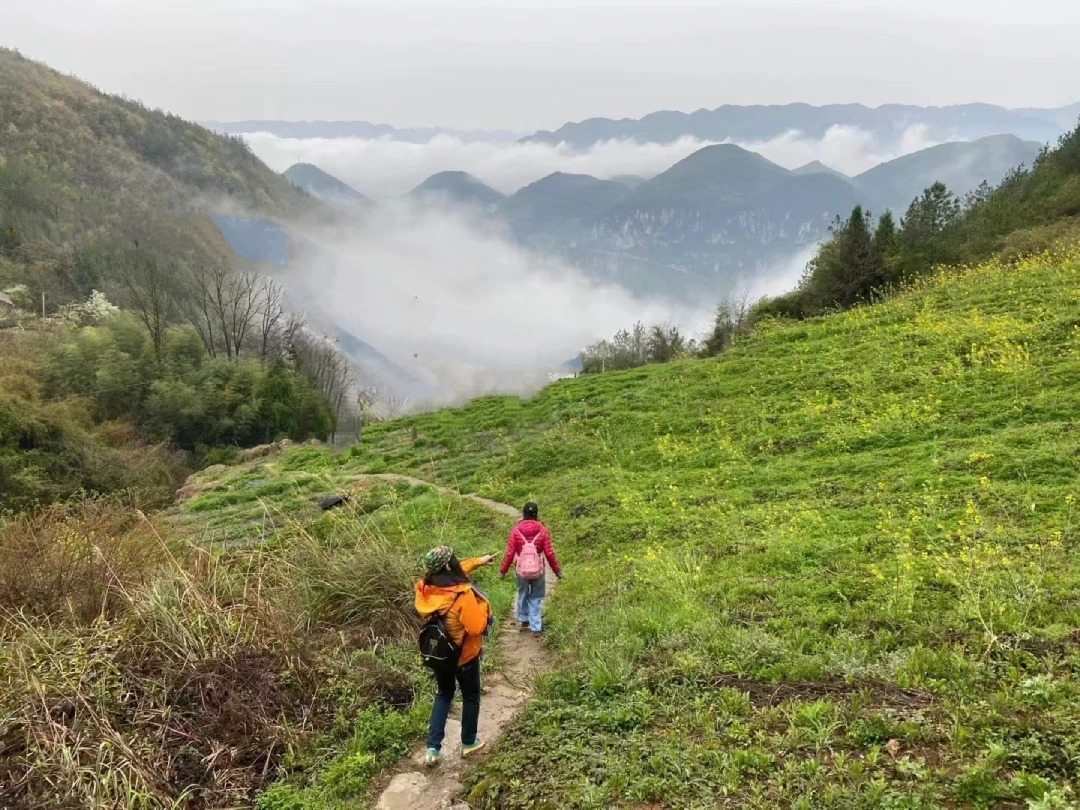
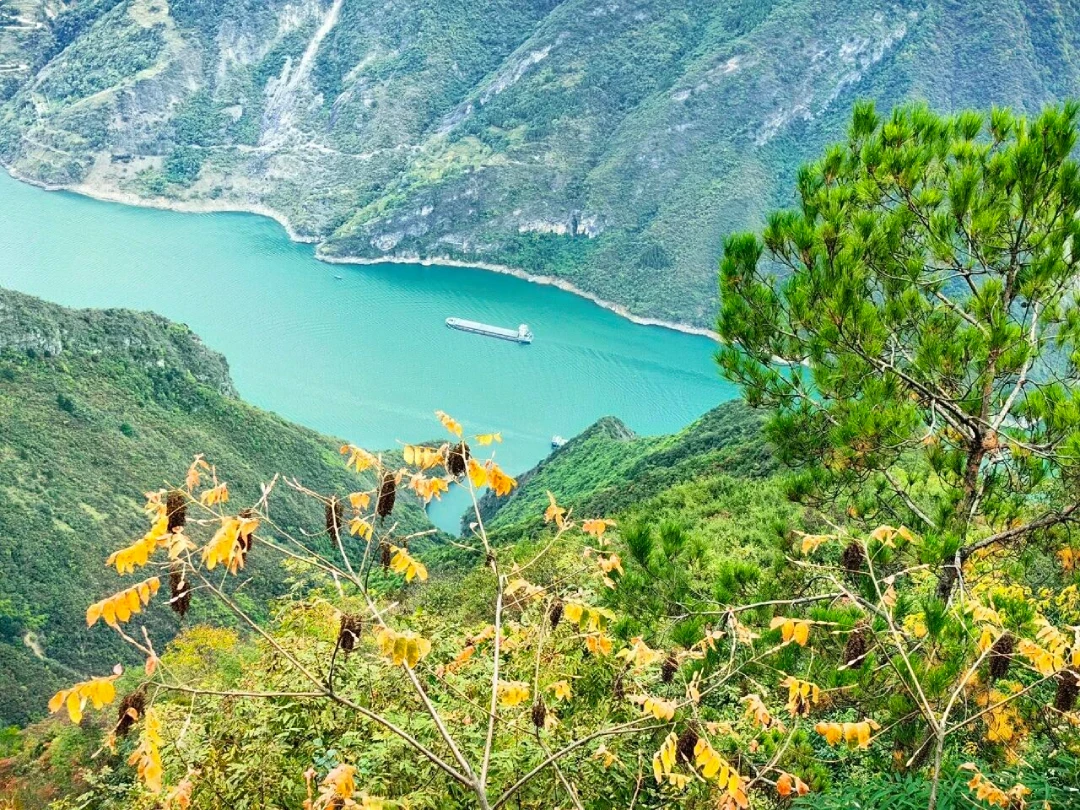
The trail winds along the mountainside, with the mighty Yangtze flowing eastwards below and layer upon layer of green mountains rising on the opposite bank.
We passed a handful of farmhouses, their doorways framed by great swathes of flowering rapeseed. Golden blooms spilled across the field boundaries, while Chinese honeybees hummed from flower to flower. In the stillness of the valley, the faint buzz of their wings seemed remarkably clear.
In the tea gardens, the first flush of tender shoots had just been picked, leaving neat rows of freshly clipped plants. A delicate fragrance of tea lingered in the air.
Along the vegetable plots, pale purple pea flowers fluttered on the fences like tiny wings, swaying gently in the breeze.
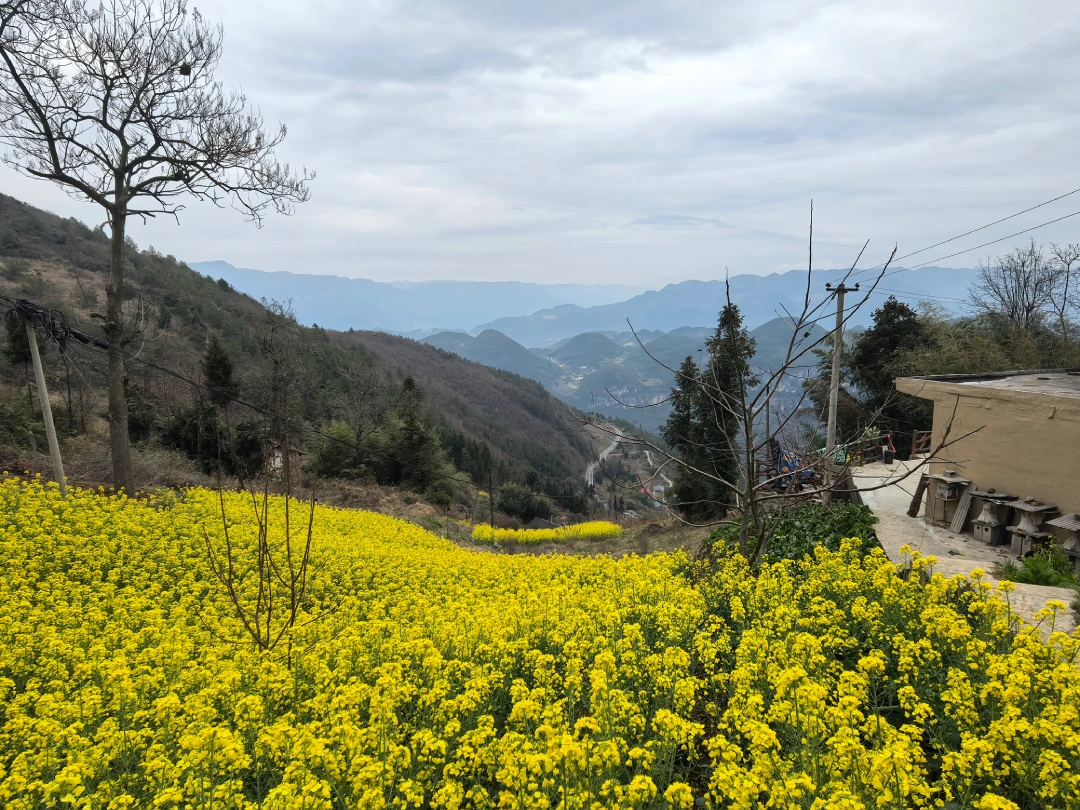
But what truly caught our attention were the wildflowers growing in rock crevices, along field ridges and between the cliffs, as well as the tender wild greens hiding in the grass, their earthy fragrance announcing the arrival of spring.
In Wushan, March is the season when these little treasures flourish with abandon.
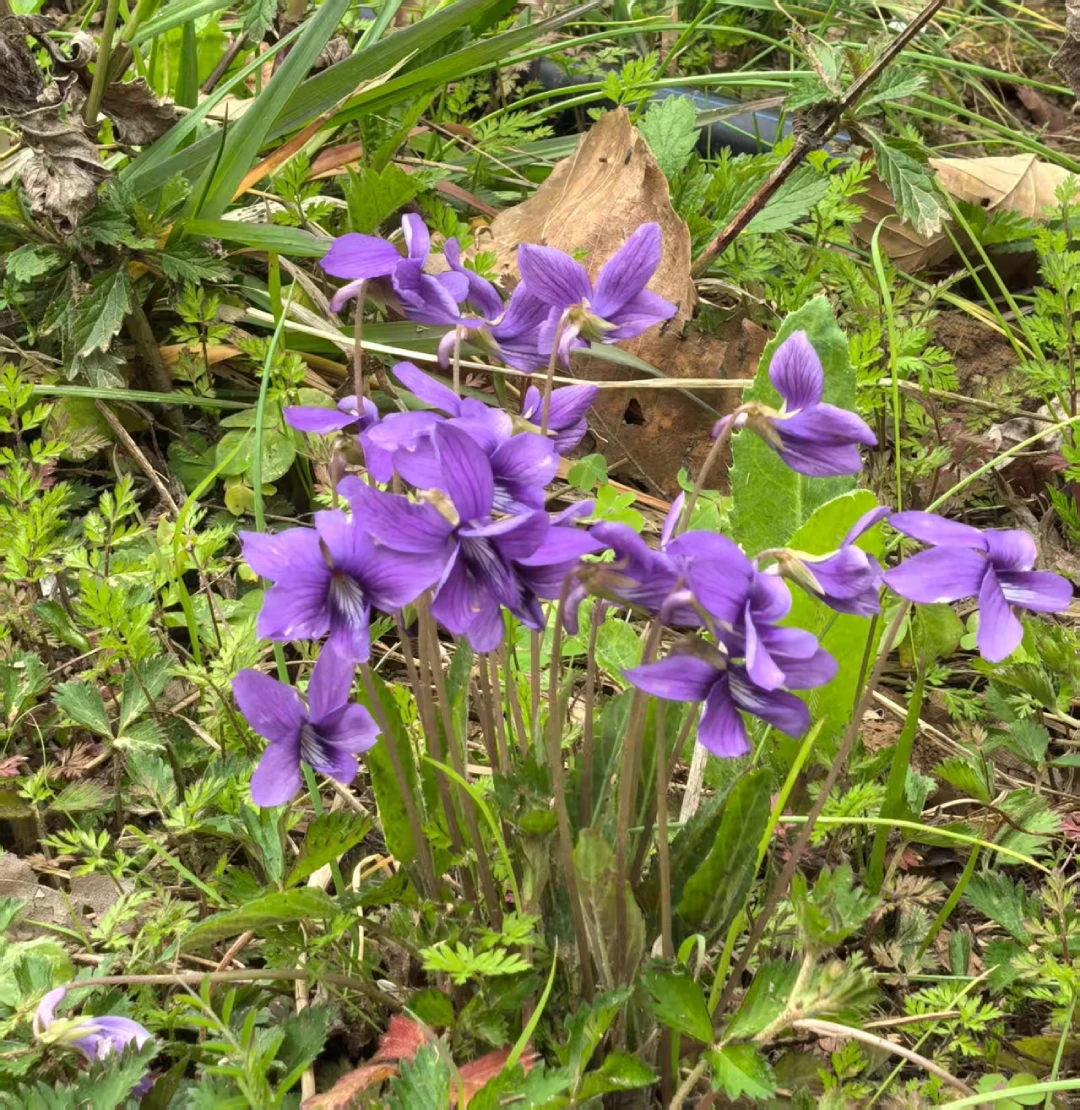
The first flowers to catch our eye were these tiny purple blooms growing close to the ground.
Barely larger than a fingernail, their deep violet petals lay quietly in the soil beside the stone steps. Without bending down for a closer look, it would have been easy to walk straight past them.
Their young, slender leaves formed little arrowheads, full of life against the grey, weathered stones.
March is their flowering season, when the foliage is at its freshest. Locally, the plant is also known by the earthy nickname di huang gua, or “ground cucumber”. Its young shoots are gathered in early spring, washed and briefly blanched; apparently, they have a fresh, cucumber-like flavour.
But for now, simply admiring their delicate violet petals and vivid green leaves was pleasure enough.
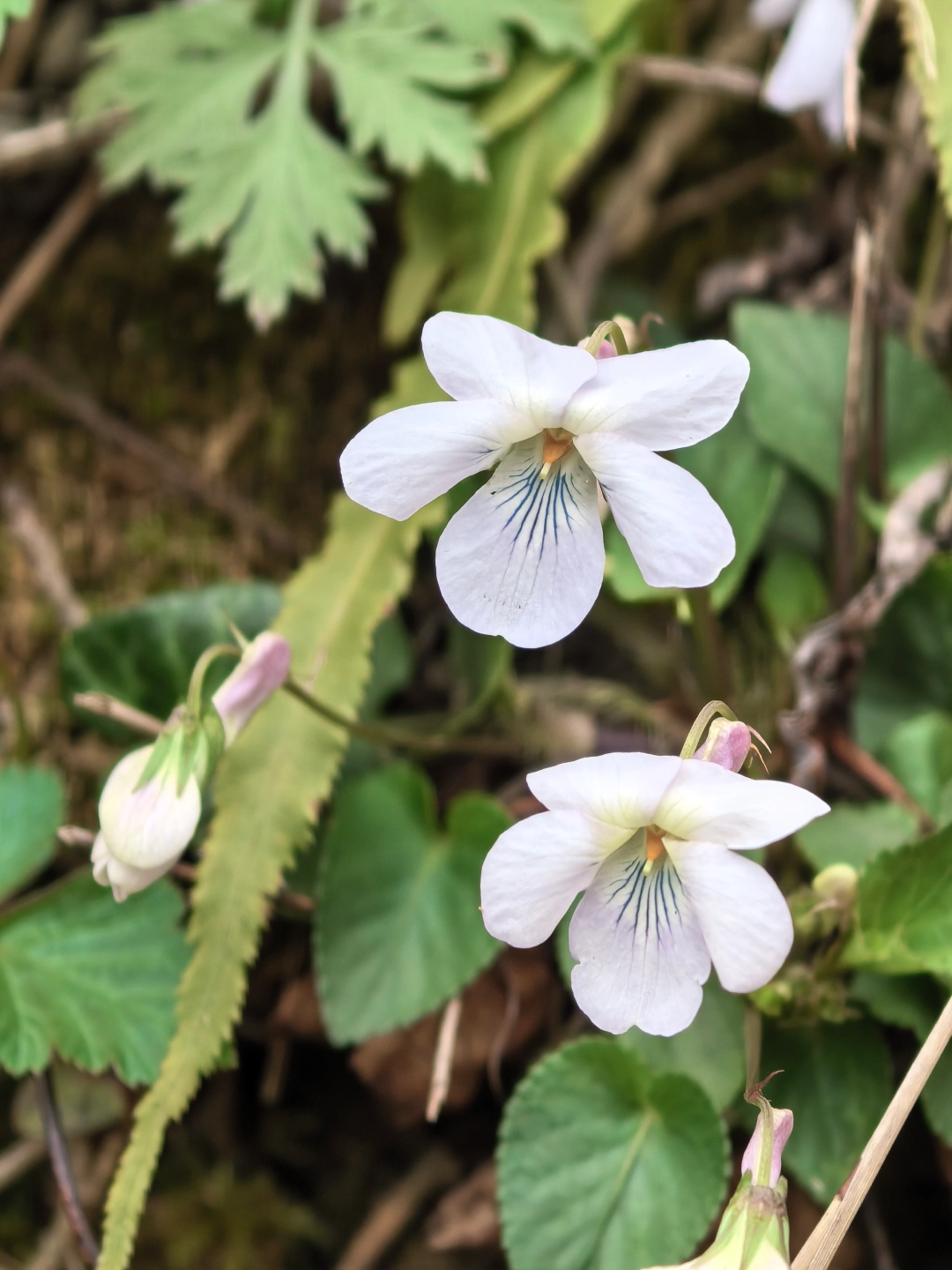
Close beside the purple violets, several elegant white flowers were tucked away among the grass.
Their creamy white petals were marked on the inside with distinct blue-violet veins, as though someone had carefully drawn each line by hand. The markings made them easy to recognise once we knew where to look.
Like their purple relatives, these violets grow close to the ground and are remarkably adaptable. They take root in all sorts of places: between stones, beside paths and even along earthen ridges worn down by passing feet.
They were among the gentlest colours of early spring in the Three Gorges.
Along the raised earth beside the fields, clusters of fresh green shoots stood out against the darker soil.
Before the Qingming Festival in early April, mugwort grows low and tender, its young leaves spreading close to the ground before the stems begin to rise. Gently pinching a leaf between the fingers releases an intense, unmistakably herbal fragrance.
For the people of the Three Gorges, this is one of the most characteristic flavours of spring. Gather a handful, and it can be used to make traditional green rice cakes, stir-fried with eggs or brewed into an aromatic herbal tea. Each preparation is a small seasonal ritual in its own right.
Our guide explained that in another fortnight or so, the mugwort would grow taller, its stems becoming tougher and its leaves more fibrous. Only during this brief window before Qingming could one enjoy the shoots at their most tender and fragrant.
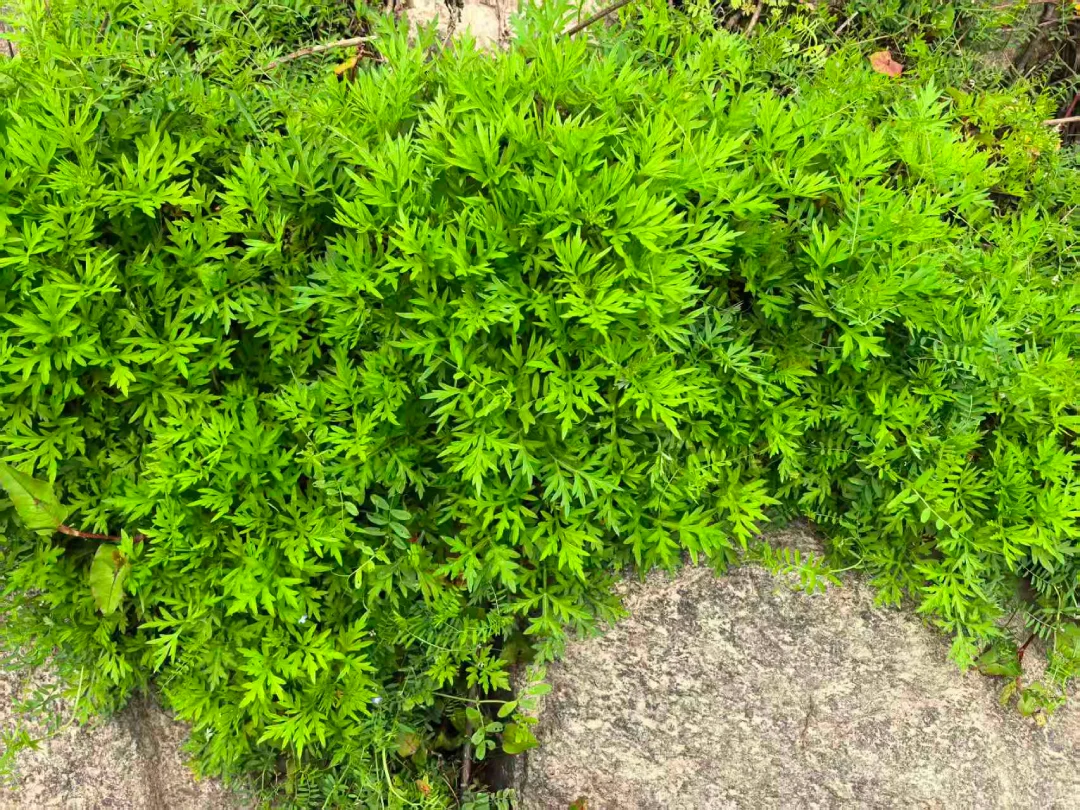
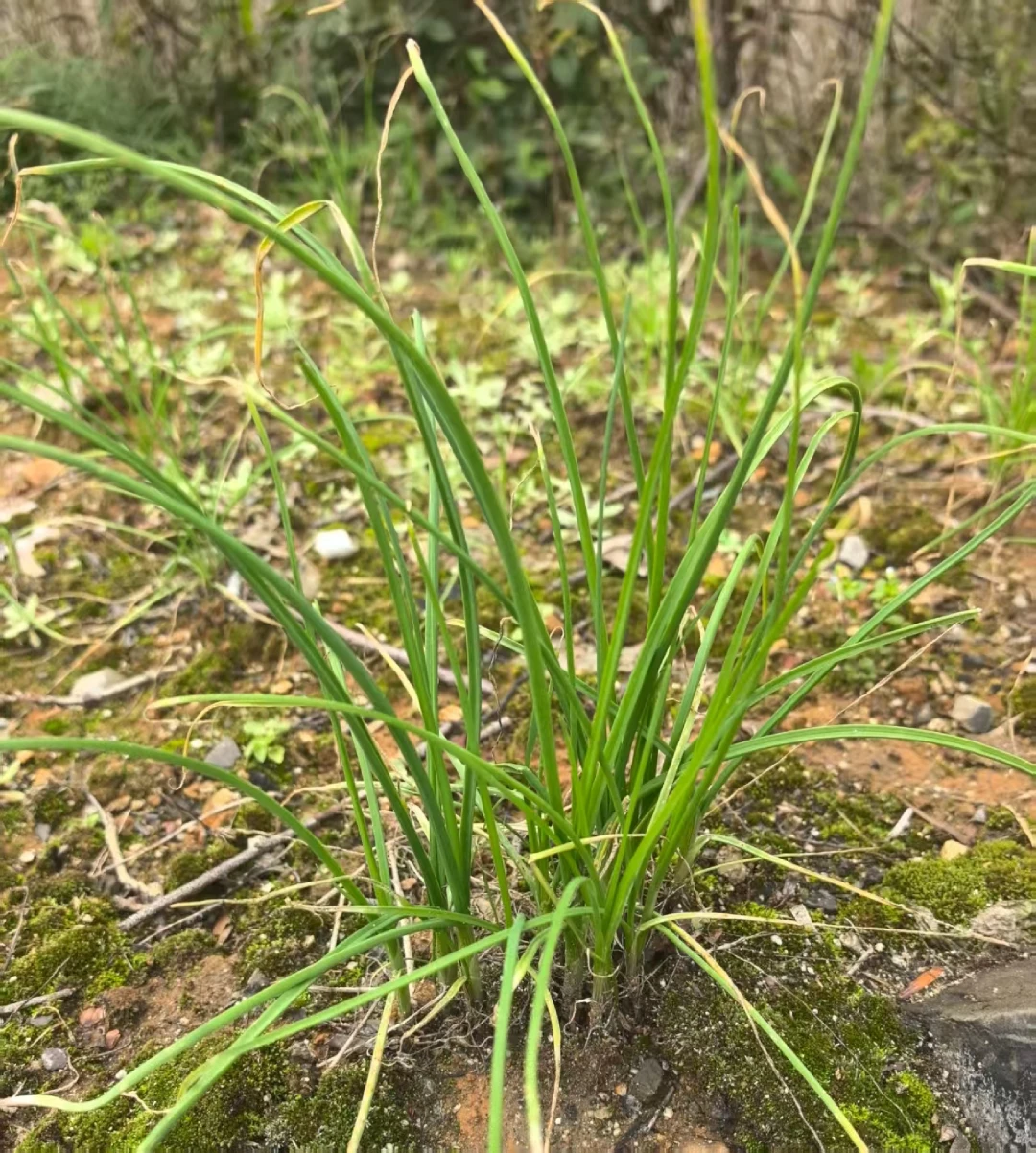
Along the dirt path, a sharp, fresh, almost pungent aroma would catch our attention before we even spotted its source.
Following the scent led us to clusters of slender green leaves: xiebai, a wild allium also known in English as Chinese wild garlic.
Its leaves are finer than those of cultivated spring onions, while small, rounded white bulbs grow at the base. This is an ancient edible plant that has been part of Chinese cuisine for thousands of years.
Its history reaches deep into Chinese literature.
In the Eastern Han dynasty, Cao Cao wrote a poem entitled Xielu Xing, or Song of the Dew on the Wild Garlic Leaves. The fleeting morning dew on the leaves became an image of life’s brevity and the instability of a turbulent age.
Centuries later, during the Tang dynasty, the poet Du Fu was living in Qinzhou when a friend, Ruan Fang, sent him thirty bundles of wild garlic still glistening with dew. Du Fu responded with a verse expressing his gratitude for this simple yet heartfelt gift from the countryside.
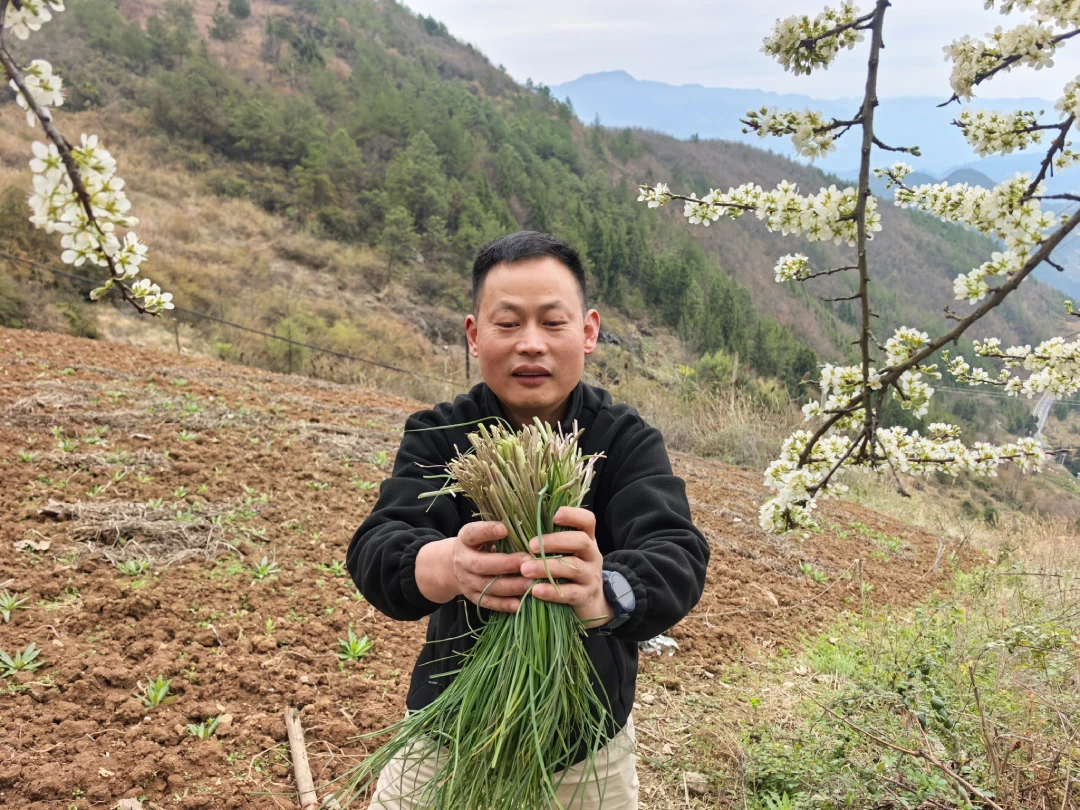
Now, crouching beside a field ridge and carefully digging up a clump of wild garlic with earth still clinging to its roots, it felt as though we, too, were receiving a small gift from the countryside, more than a thousand years on.
Some of our fellow guests gathered a little, hoping to take it back to the ship and ask the chefs to prepare eggs fried with wild garlic.
The person crouching most intently beside the path, however, was Morgan, Yangzi Explorer’s hotel manager. Having grown up in the mountains, he knew these wild greens well.
He told us that when he was a boy, he and his friends would head out after school each spring with baskets, digging up wild garlic along the field ridges. Back home, his mother would turn their harvest into fried rice with wild garlic.
For him, it remained one of the most delicious flavours of childhood.
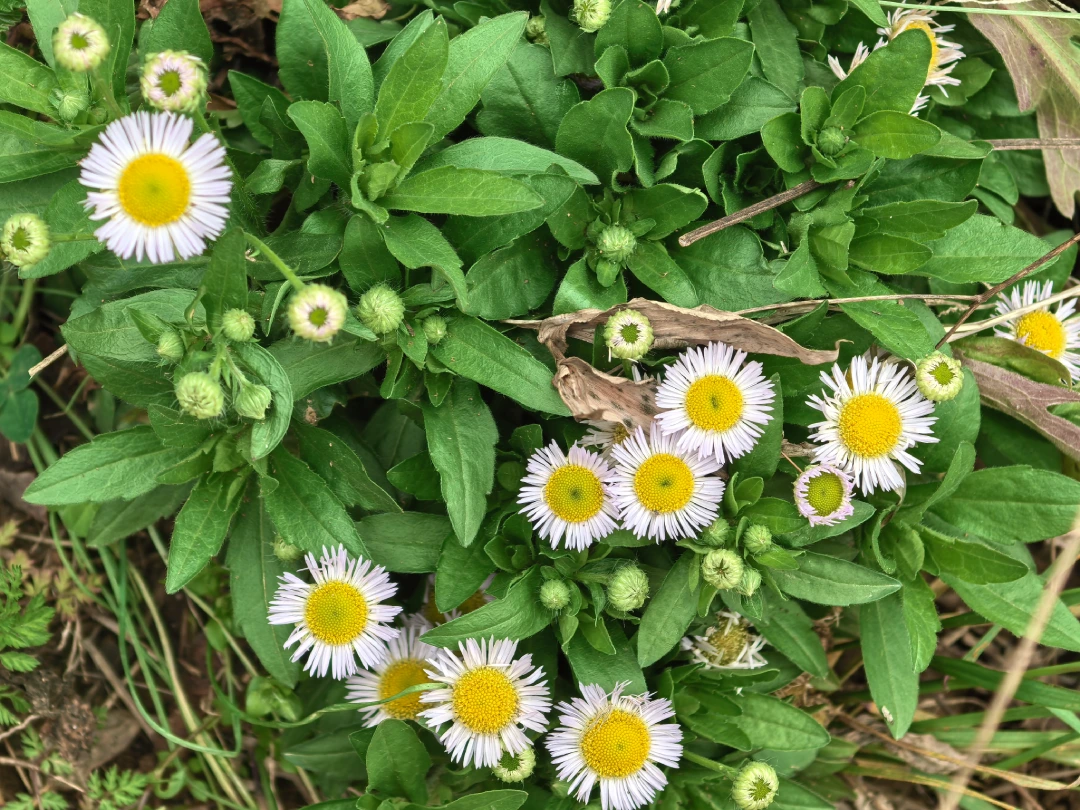
Halfway along the trail, where the path began to slope gently upwards, several small white flowers appeared among the grass.
They were not particularly tall. A ring of delicate white petals surrounded bright yellow centres, making them look like little stars scattered across the green hillside.
This was annual fleabane, also known in Chinese as bai ding fei peng.
They were a small, steadfast presence in the spring landscape. They would flower and fade, wither and return, following the rhythm of the seasons.
For now, they were in bloom, and we were fortunate enough to notice them.
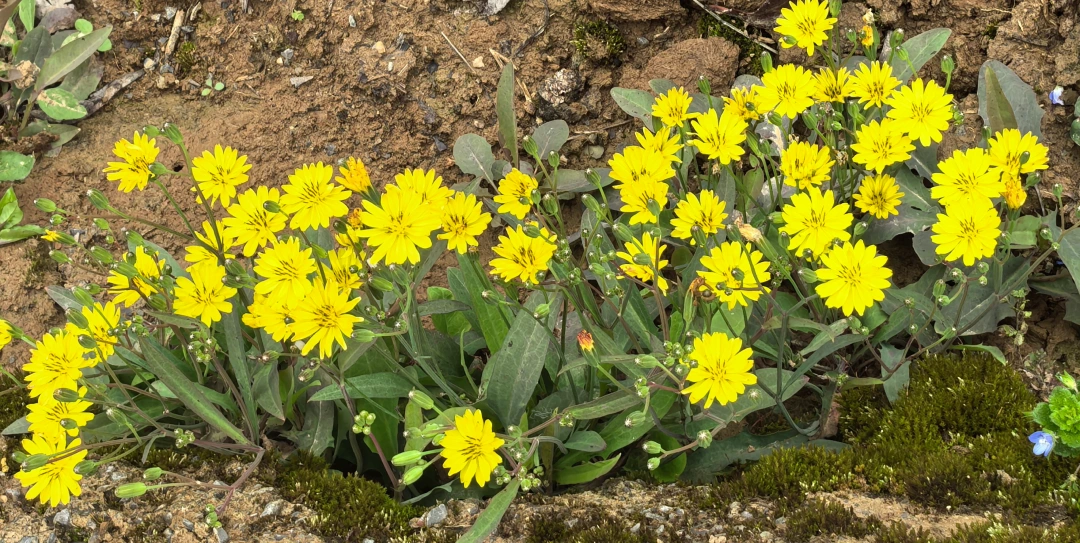
Bright yellow flowers swayed on slender stems whenever the breeze passed through.
One of our guests asked, “Are those wild chrysanthemums?”
Not quite. Wild chrysanthemums generally flower in autumn, whereas Oriental hawksbeard blooms in spring. Its flowers are smaller and softer in colour, and its smooth leaves make it easier to distinguish from the familiar, slightly bristly dandelion.
The Tang dynasty poet Li Duan wrote of yellow flowers appearing in the open countryside. Perhaps this was the sort of flower he had in mind.
During the Ming dynasty, the celebrated herbalist Li Shizhen came to the plant’s defence, observing that it was not lacking in flavour; rather, few people knew how good it could be. He noted that its tender leaves made a particularly delicious soup.
It makes no demands for attention, flowering quietly beside the path. Those who appreciate the simple pleasures of life will recognise its worth.
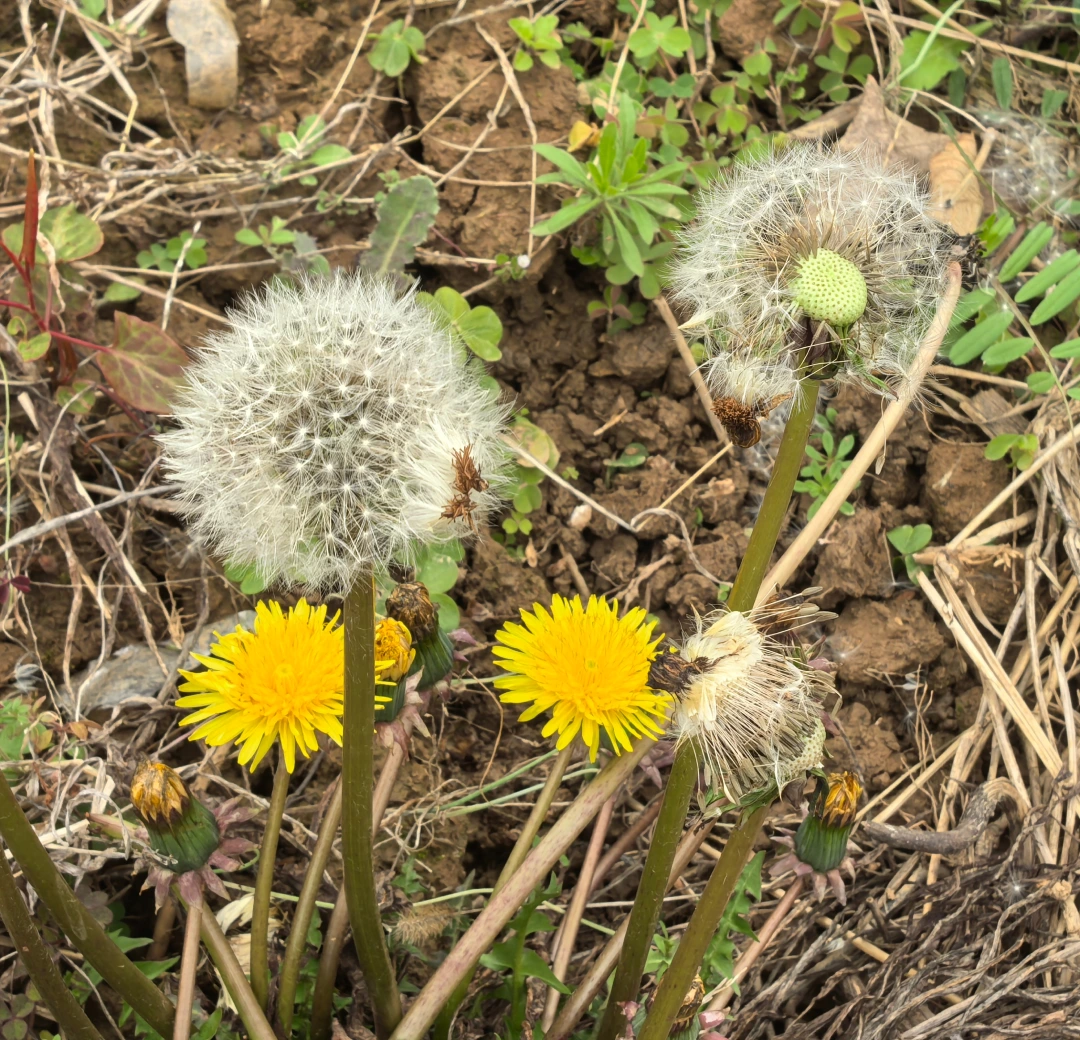
Dandelions need little introduction, and this was one of the places where our guests lingered longest.
There is something irresistible about a dandelion seed head. Sooner or later, someone will stop to blow on it. Its delicate white sphere resembles a tiny parachute, carrying countless seeds and the promise of new life.
In the Compendium of Materia Medica, the great Ming dynasty herbalist Li Shizhen recorded the many names by which the plant was known. In north-eastern China, it is called popoding; in the Huai River region, baiguding.
The Qianlong Emperor once celebrated its resilience in a poem, observing that it flowered in spring rather than waiting for autumn. It was a fitting tribute to a plant that does not shy away from the lingering chill of early spring.
One guest blew gently on a seed head, sending its white filaments drifting away on the river breeze and disappearing into the depths of the gorge.
Where would they land? And would a fresh golden flower appear there next year?
Dandelion seeds can travel long distances on the wind.
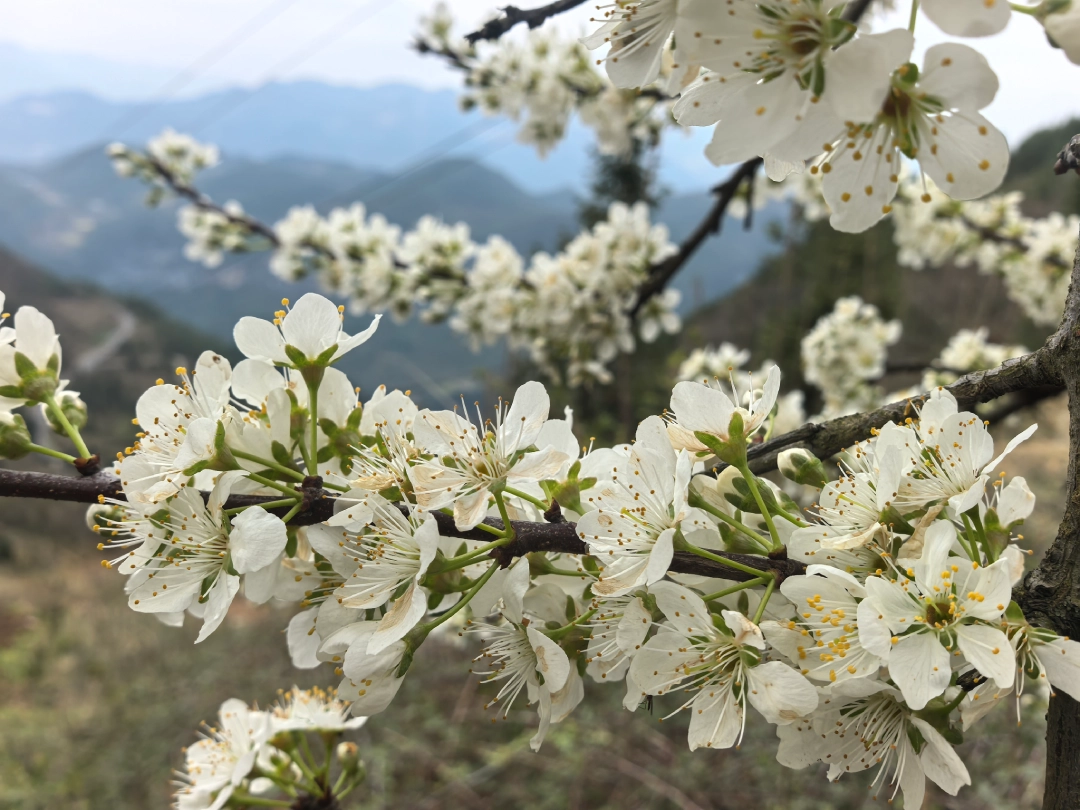
Strictly speaking, these were not wildflowers, but blossoms on plum trees cultivated by local farmers.
One section of the Goddess Sky Road passes through a small plum orchard, and in late March the trees were in full bloom. Branch after branch was covered in white flowers, their soft, cloud-like forms resembling a fresh fall of snow across the hillside.
The cultivation of Wushan’s famous crisp plums dates back to the Tang and Song dynasties.
When the poet Liu Yuxi served as a local official in Kuizhou during the Tang dynasty, he wrote:
“On the mountain, peach and plum blossoms rise in layer upon layer; through the clouds, the smoke from village homes.”
His words evoke the same spring landscape that surrounded us.
More than a thousand years later, standing on the same hillsides, we could still appreciate that poetic beauty. A breeze moved through the orchard, and petals drifted softly onto our shoulders and the earth beneath our feet.
Someone asked our guide, “Are Wushan’s crisp plums really that delicious?”
“Just wait until June,” came the reply. “When the fruit ripens, the crisp plums from Quchi Village in Wushan will make their way by boat to the Wushan Lesser Three Gorges tourist pier, freshly picked in the early morning with dew still on them. From there, they will be brought aboard Yangzi Explorer and served at the table.”
It was a promise of summer, waiting just around the corner.
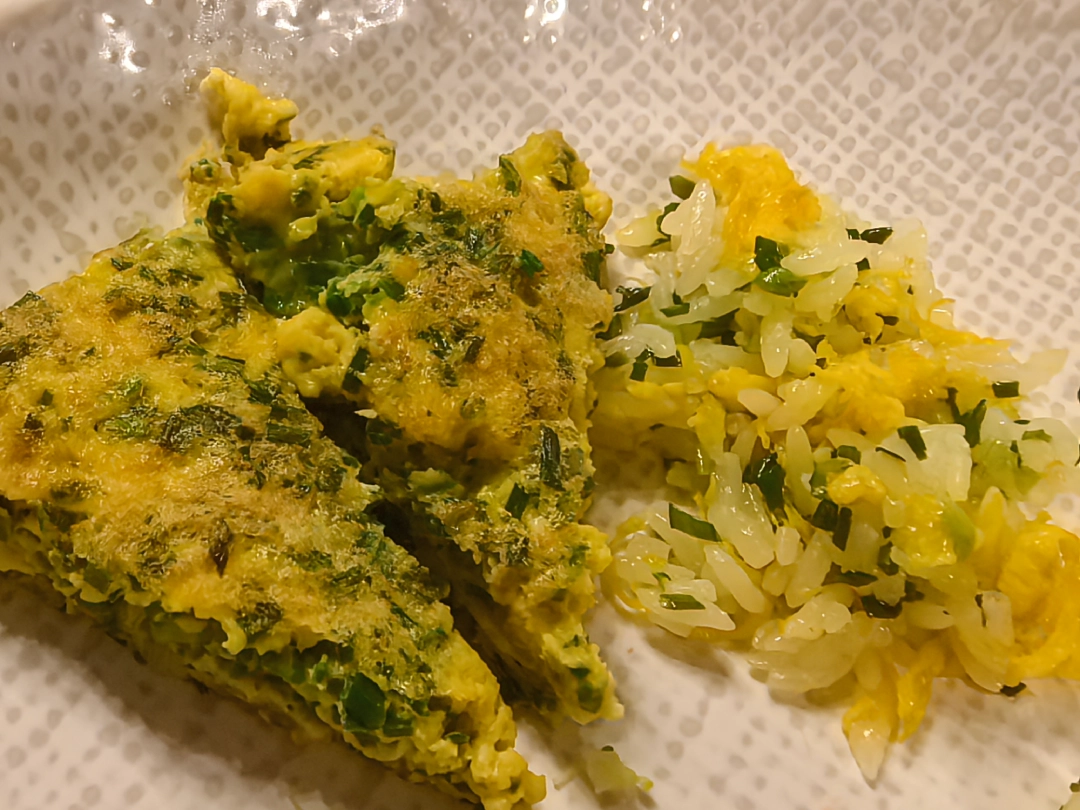
When we returned to the ship that evening, the Yangzi Explorer dining table held a special taste of the countryside.
The xiebai gathered by our guests and Morgan had been transformed into two simple but memorable dishes: wild-garlic fried rice and eggs fried with wild garlic.
The fresh, aromatic fragrance filled the air, bringing the essence of the mountains to the table.
And along with that taste of spring, we carried away memories of the tiny wildflowers we had discovered beside the path, each one striving quietly to bloom, and the fresh herbal scent that lingered on our fingertips after brushing against the young mugwort leaves.
This is the kind of journey Yangzi Explorer hopes to offer.
Not a hurried dash from one attraction to the next, but the chance to walk slowly through the Three Gorges in spring, accompanied by people who know the landscape and understand its small wonders.
And perhaps, at the end of the walk, to find the season’s wild ingredients served on board.
From mountainside to table, from early morning to evening, we simply hope to place the springtime beauty of the Three Gorges, in all its richness, into your hands.
01 | My Parents’ Journey Aboard the New Yangzi Explorer Written by: Xiaohongshu user @Feifeijiang I finally made my pare...

In this guide: What Shapes the Experience? Choosing the Right Itinerary: Route and Journey Pace Considering Ship Size, S...

Explore This Journey What Defines a Luxury Yangtze River Cruise Experience Suites, Comfort, and Scenic Living Dining Alo...

On the Yangtze River, direction is never simply a matter of navigation. It quietly shapes how the journey unfolds—how ti...

